Best Time for a Safari in Sri Lanka: Month-by-Month Guide
When to visit Yala, Udawalawe and Wilpattu, which months parks close, how the two monsoons shift wildlife, and the best park for each month.


Quick facts
- Yala
- Best Feb–Jul; Blocks 1 and 2 shut for a few weeks in Sep–Oct
- Udawalawe
- Good all year
- Wilpattu
- Best Feb–Oct (dry season)
- Sloth bears
- May–Jul, mainly in Yala
- Yala closure 2026
- 14 Sep–15 Oct
- Best time of day
- Early morning, all year
On this page
There's no bad month for a safari in Sri Lanka, only the wrong park. The island has two monsoons that arrive from opposite directions, so while one region is wet, another is dry. Pick the park that's in its dry season and you'll see more wildlife, whatever the calendar says.
Here's the calendar in one breath: Yala, the leopard park, is best from February to July and usually closes Blocks 1 and 2 for a few weeks in September–October. Udawalawe is good all year, and Wilpattu shines from February to October. Everything below fills in the detail, month by month.
Quick answer
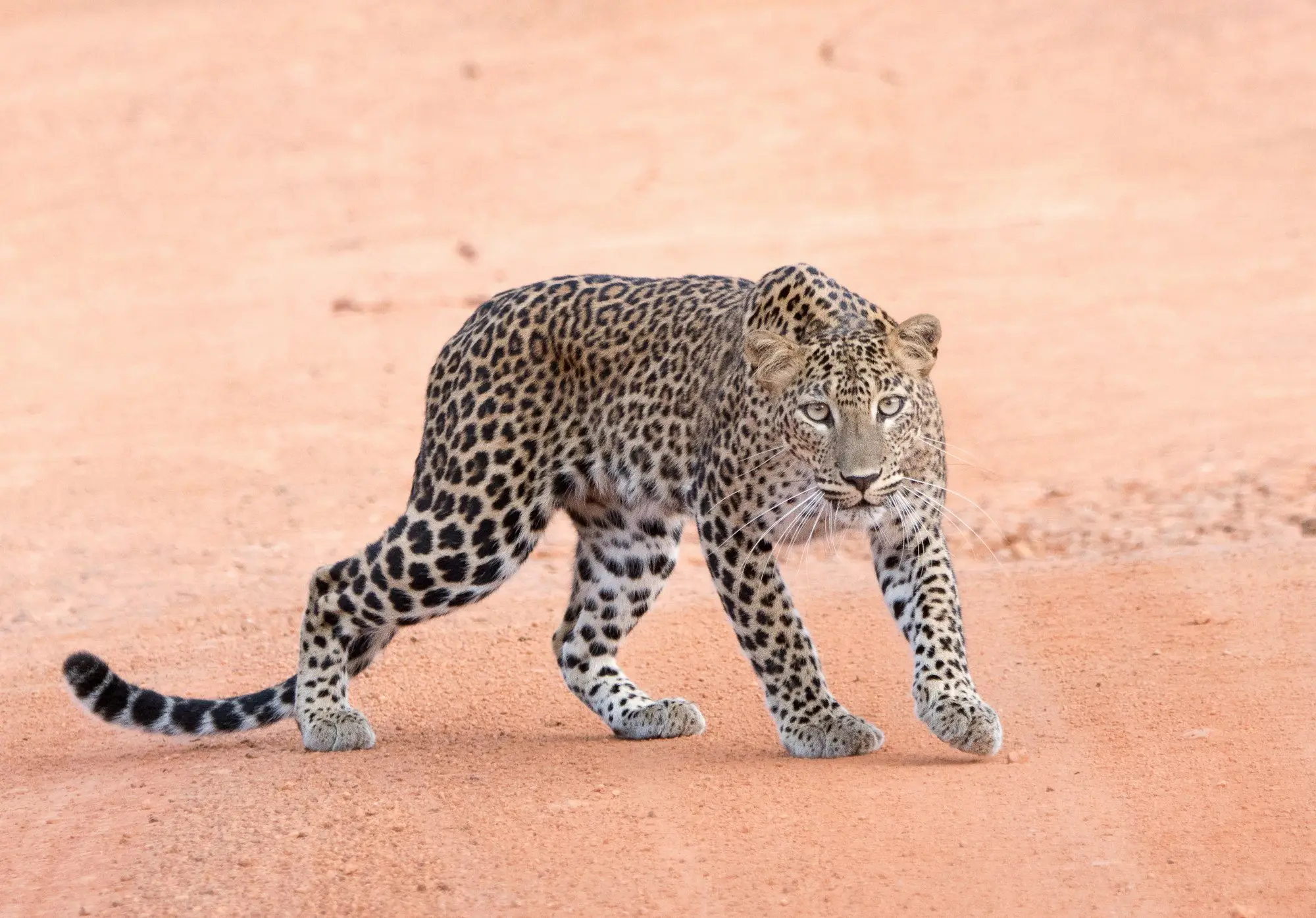
- For leopards: Yala from February to July, or Wilpattu from February to October. Nobody can guarantee one in any month.
- For elephants: Udawalawe, any month. Herds with calves turn up on almost every drive.
- For sloth bears: Yala from May to July, when the palu trees fruit. Even then, you'll need luck.
- In September and October: Yala's Blocks 1 and 2 usually close for a few weeks, so head to Wilpattu or Udawalawe.
- From mid-November to mid-January: Wilpattu can be wet and muddy, so Yala and Udawalawe are the safer picks.
How the two monsoons affect safaris
Sri Lanka's Department of Meteorology splits the year into four seasons:
- First inter-monsoon (March to April): hot, with afternoon thunderstorms across much of the island.
- South-west monsoon (May to September): rain on the west and south coasts and in the hill country. The dry zone, which includes Yala and Wilpattu, stays mostly dry and windy.
- Second inter-monsoon (October to November): thunderstorms can hit almost anywhere, and many places see their heaviest rain of the year.
- North-east monsoon (December to February): rain in the north and east and across the dry zone, while the south-west dries out.
For wildlife, the dry season is what counts. As water shrinks to a handful of lakes and waterholes, animals gather around them and the bush thins out, so they're far easier to find. After the rains the parks turn green, water is everywhere, and animals spread out. The wet months are beautiful and quieter, and migrant birds arrive from the north. You just work harder for your sightings.
Pack for the season, too. In the dry months, bring a buff or scarf for the dust, a hat and more water than you think you need. In the wet months, add a light rain jacket and a dry bag for your camera.
Confusingly, Sri Lankan farmers call the south-west monsoon growing season "Yala", which is exactly when Yala the park is at its driest.
Yala: best months and the dry-season closure
Yala sits in the semi-arid south-east and gets most of its rain from the north-east monsoon. From February the park dries out, and by June the waterholes are shrinking fast. That's why February to July is the prime leopard window: the cats come into the open, and everything has to drink somewhere.
May to July adds a bonus. The palu trees fruit, and sloth bears come out to feed on them. It's the best chance you'll get, though sightings stay in the lucky category rather than likely.
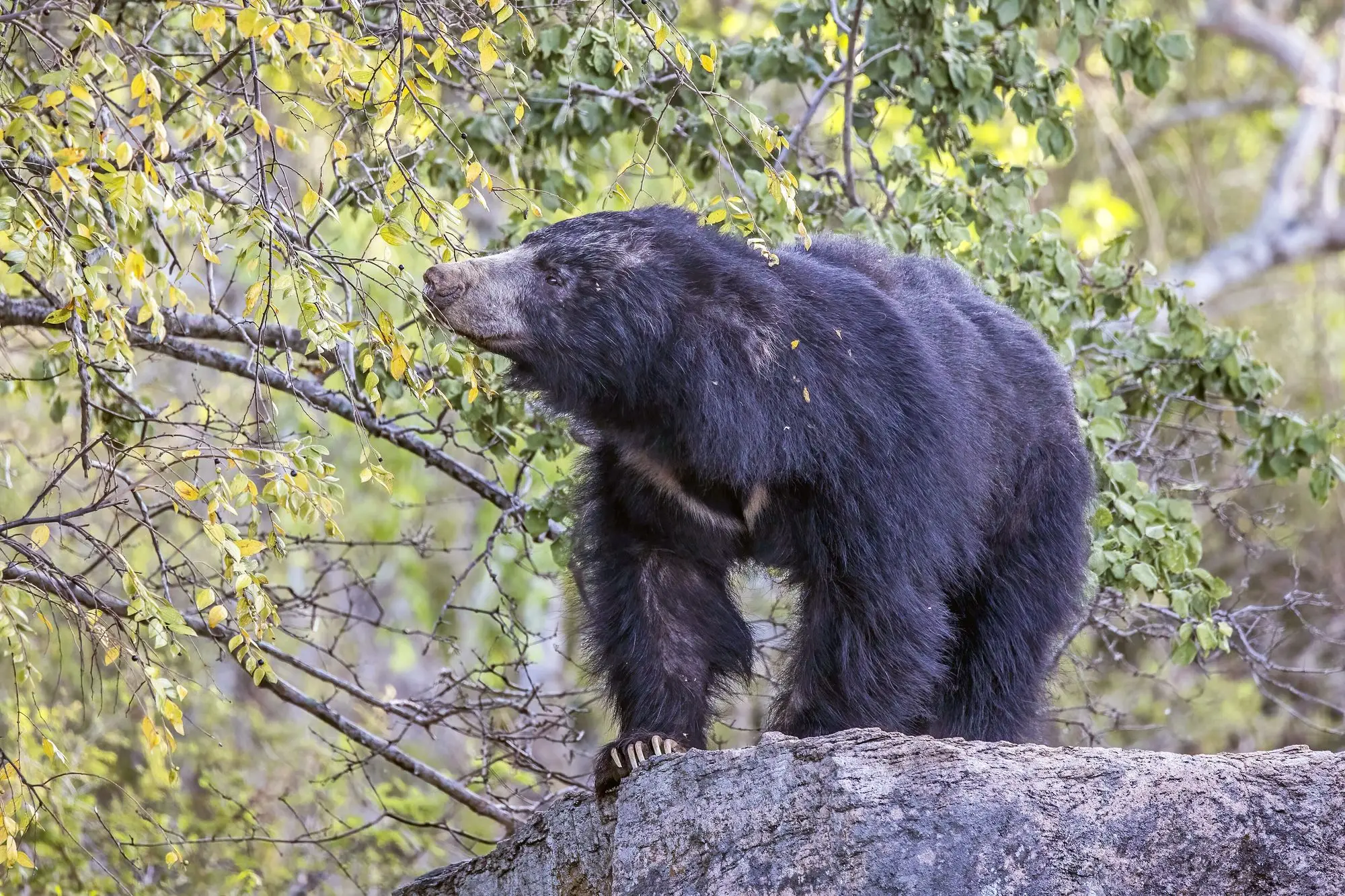
Sloth bears are shy, but May to July gives you the best odds in Yala.
Late in the dry season comes the closure. Block 1, the original core of the park where most safaris go, usually shuts along with neighbouring Block 2 for a few weeks between September and October, at the height of the drought, so animals can search for water and food undisturbed. The dates change every year, and they're announced only two or three weeks ahead.
If your dates clash with the closure
You still have good options:
- Switch to Udawalawe on the same route. From Ella or the south coast the drive is similar, and the elephants don't take September off.
- Stay with Yala, but go to Block 5. The Galge side usually stays open and sees fewer jeeps, though Block 1 remains the better bet for leopards. Our planner's times assume the main gate, so ask about Galge when you send your plan.
- Go to Wilpattu if leopards are the priority and your trip passes the north-west. It's still in its dry season in September and October.
- Don't prepay for a Yala date in September or October. Closures are announced late, and if you pay on the day, a closure costs you nothing more than a change of plan.
The Department of Wildlife Conservation announces closures through the Sri Lankan news media, usually two or three weeks ahead. If you've sent us a Yala plan for those months, we'll confirm nearer the time or suggest a switch.
From mid-October the rains return, and November and December are greener in the park. Expect the busiest tracks from December to March, the island's high season, and on public holidays. Storms can also close the parks at short notice: Cyclone Ditwah shut Yala for several days in late 2025. Our Yala guide covers blocks, gates and crowds in more detail.
Udawalawe: a year-round park
Udawalawe sits on the boundary between Sri Lanka's wet and dry zones and catches rain from both monsoons, mostly from October to January and from March to May. It has no annual closure, and its main draw doesn't depend on the season: around 250 elephants live in the park, and herds turn up on almost every drive.
The drier spells, roughly January to April and June to September, pull the herds towards water and make for easier viewing. In the wetter months the grass grows tall and green and the light is lovely, but afternoon storms are more likely, so a morning drive is the safer bet.
That reliability makes Udawalawe the go-to while Yala is closed, and a natural stop between Ella and the south coast in any month. See our Udawalawe guide for more.
One seasonal elephant spectacle happens elsewhere. From about July to October, hundreds of elephants gather on the shores of the Minneriya and Kaudulla reservoirs in the Cultural Triangle, with a peak in August and September. We don't run safaris there (yet). If you're based around Sigiriya at that time, it's well worth doing locally; otherwise, Udawalawe gives you reliable elephants in any month.
Wilpattu: best in the dry season
Wilpattu, in the north-west, is Sri Lanka's largest national park, and it feels like it. The landscape is built around villus: shallow, sand-rimmed natural lakes that become wildlife magnets as the land dries. From February to October, deer, buffalo, crocodiles, wading birds and the occasional leopard gather around them, and you share the tracks with far fewer jeeps than at Yala.
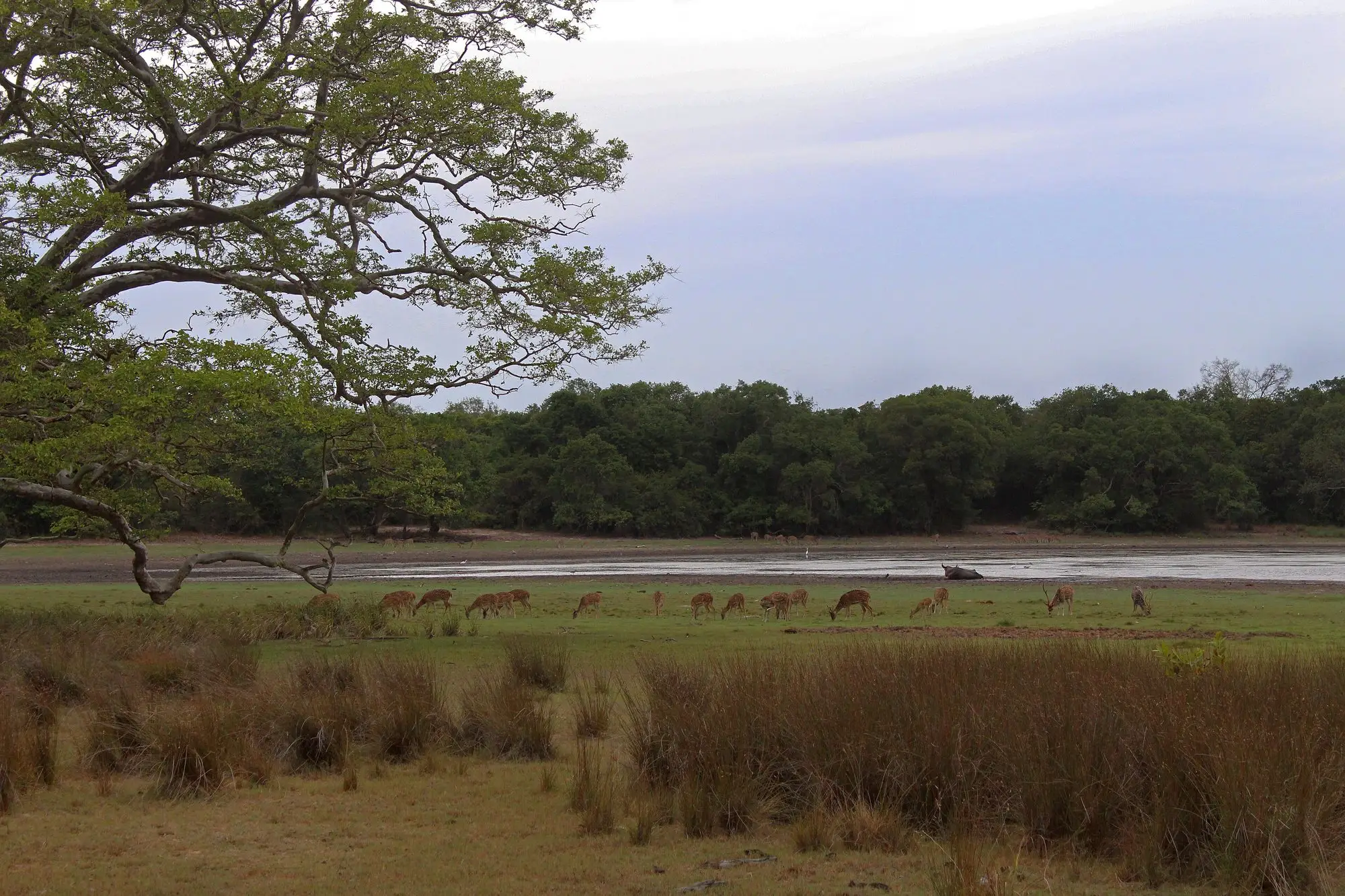
Spotted deer grazing beside a villu in Wilpattu during the dry season.
The catch is the north-east monsoon. Heavy rain, especially from mid-November to mid-January, can turn tracks to mud and close parts of the park at short notice. Floods closed the western Eluwankulama entrance in January 2025, and the whole park shut during Cyclone Ditwah later that year.
Outside those weeks, Wilpattu is a strong choice, and it's especially useful in September and October, when it's still dry and Yala's Blocks 1 and 2 are often closed. Our Wilpattu guide has the full picture.
Month by month: which park to pick
| Month | Best pick | Also good | Notes |
|---|---|---|---|
| January | Yala, Udawalawe | Wilpattu, late in the month | Monsoon rains easing; high season on the south coast |
| February | Yala, Wilpattu | Udawalawe | Dry season starts; all three parks are good |
| March | Yala, Wilpattu | Udawalawe | Hot and dry, with the odd afternoon storm |
| April | Yala, Wilpattu | Udawalawe | Hottest month in Yala; busy around the mid-April New Year |
| May | Yala, Wilpattu | Udawalawe | Sloth-bear season begins in Yala; rain on the west and south coasts |
| June | Yala, Wilpattu | Udawalawe | Prime time for leopards and sloth bears in Yala |
| July | Yala, Wilpattu | Udawalawe | End of Yala's best leopard months; dry and windy |
| August | Wilpattu, Yala | Udawalawe | Very dry; Yala's closure is often announced late in the month |
| September | Wilpattu, Udawalawe | Yala Block 5 | Yala's Blocks 1 and 2 usually close for a few weeks |
| October | Wilpattu, Udawalawe | Yala, once it reopens | Blocks 1 and 2 usually reopen mid to late month; storms begin |
| November | Yala, Udawalawe | Wilpattu, early in the month | Inter-monsoon rain; migrant birds arrive |
| December | Yala, Udawalawe | Wilpattu, if flexible | North-east monsoon; holiday crowds at Yala |
Crowds and holidays
Sri Lankans love their national parks, and local holidays fill them up. Every full-moon Poya day is a public holiday, the Sinhala and Tamil New Year in mid-April sets off a rush of family trips, and the December–January holidays coincide with the island's high season. On those days Yala's gate queue forms earlier and every good sighting draws more jeeps.
If you can, pick a weekday that isn't a Poya day. And if a calm drive matters more to you than leopard odds, Udawalawe and Wilpattu are the quieter choices in any month.
Morning vs afternoon by season
Morning wins in almost every season. Animals are most active in the first hours after the 6 am opening, the air is cool, and the light is soft. In Yala the morning drive is the best chance for leopards, which is why jeeps queue at the gate before dawn.
Afternoons have their moments, though:
- Dry season, roughly February to September: late afternoons can be excellent at waterholes, as animals come to drink before dark, and the last hour of light is gorgeous. The middle of the day is hot and dusty, so bring a hat.
- Inter-monsoon months, March–April and October–November: thunderstorms tend to build in the afternoon, so a morning drive is the safer choice.
- Udawalawe: elephants are easy to find at any time of day, so an afternoon drive suits families who'd rather skip the 3 am alarm.
- Wilpattu: mornings are generally better, but the afternoon drive is what makes an airport to Sigiriya safari day possible.
Full days pay off in the dry season, in Yala and Wilpattu, for anyone set on leopards. If you're doing the safari as part of a transfer, our routes guide explains which session fits which journey.
Pairing your safari with beach season
The same monsoons decide which coast is sunny, so it pays to plan the safari and the beach together.
- December to April: the west and south coasts. Negombo, Bentota, Galle, Mirissa and Tangalle are at their best, with calm seas and plenty of sun, and Mirissa's whale-watching season runs at the same time (pick an operator that keeps its distance from the whales). Pair them with Yala or Udawalawe on a day like Ella to
Yala to Mirissa, or add Wilpattu at the start or end of the trip from February. - May to September: the east coast. Arugam Bay's surf season and the calm seas around Trincomalee coincide with the south-west monsoon soaking the other side of the island. Yala is in prime condition until its closure, and the day below links the hills, the leopards and the surf. Trincomalee pairs well with Wilpattu.
- October and November: in between. Both coasts get inter-monsoon storms. Udawalawe carries the safari side, joined by Yala once it reopens (usually mid to late October) and by Wilpattu until mid-November.
The south coast in the south-west monsoon isn't a write-off. Rain often comes in bursts with bright spells between, but the seas are rough and swimming can be dangerous, so the east coast is the better beach from May to September.
Once you've picked your month, our park comparison helps you choose between the three parks, and our safari cost guide helps you budget for the day.
Good to know
Is Yala open in September and October?
Not all of it. Blocks 1 and 2, where most safaris go, usually close for a few weeks somewhere in September–October, with dates announced only two or three weeks ahead. In 2026 the closure was set for 14 September to 15 October, with Block 5 and Udawalawe unaffected.
When is the best time to see leopards in Sri Lanka?
February to July in Yala, when waterholes shrink and the cats come into the open, and February to October in Wilpattu. No month guarantees a sighting.
Can I go on safari during the monsoon?
Yes. Yala and Wilpattu sit in the dry zone and stay mostly dry during the south-west monsoon (May to September), and Udawalawe is open all year. The parks get most of their rain from October to January, which can mean muddy tracks and the odd closure.
What is the best month for a safari and a beach holiday?
From January to April, pair Yala, Udawalawe or Wilpattu with the south and west coasts. From May to September, pair Yala (outside its closure) or Udawalawe with the east coast.
Where can I see the elephant gathering?
The gathering happens at Minneriya and Kaudulla, usually from July to October with a peak in August and September. We don't run safaris there (yet); Udawalawe is our year-round elephant park.
Is a morning or afternoon safari better?
Morning, in almost every season: animals are busier and it's cooler. Afternoons work well in the dry months and at Udawalawe, but in the inter-monsoon months they often bring thunderstorms.

Turn the drive into a safari day
We pick you up where you're staying, stop at the park and take you on to your next stop. Private car, private jeep, park tickets: one all-in estimate, sent on WhatsApp. No deposit, pay on the day.
Plan my safari dayKeep planning
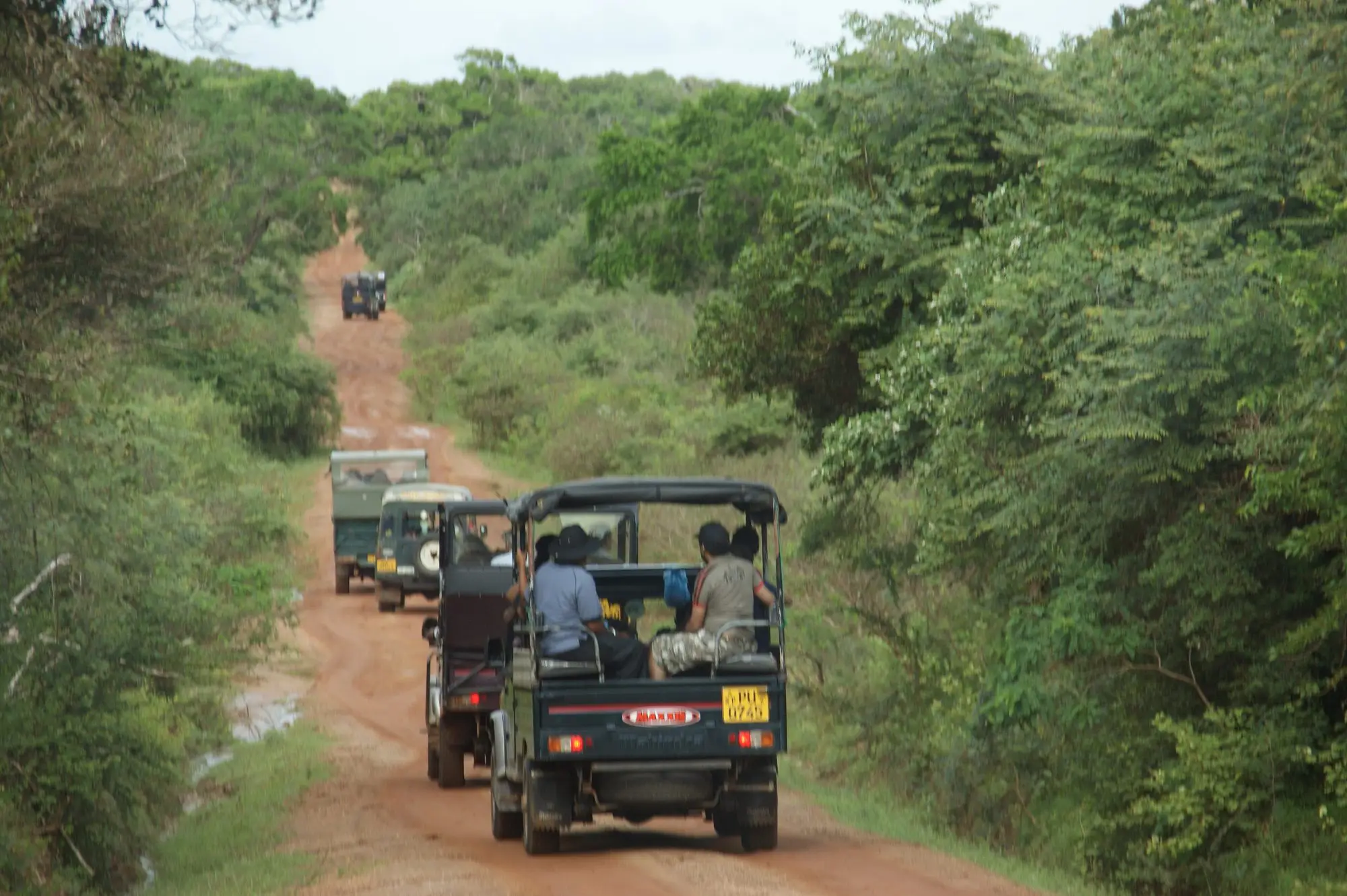
Sri Lanka Safari Cost 2026–27: Park Fees, Jeeps & Extras
What a Yala, Udawalawe or Wilpattu safari really costs: entrance fees, jeep hire, transfers, tips and the cheap-price traps to avoid.
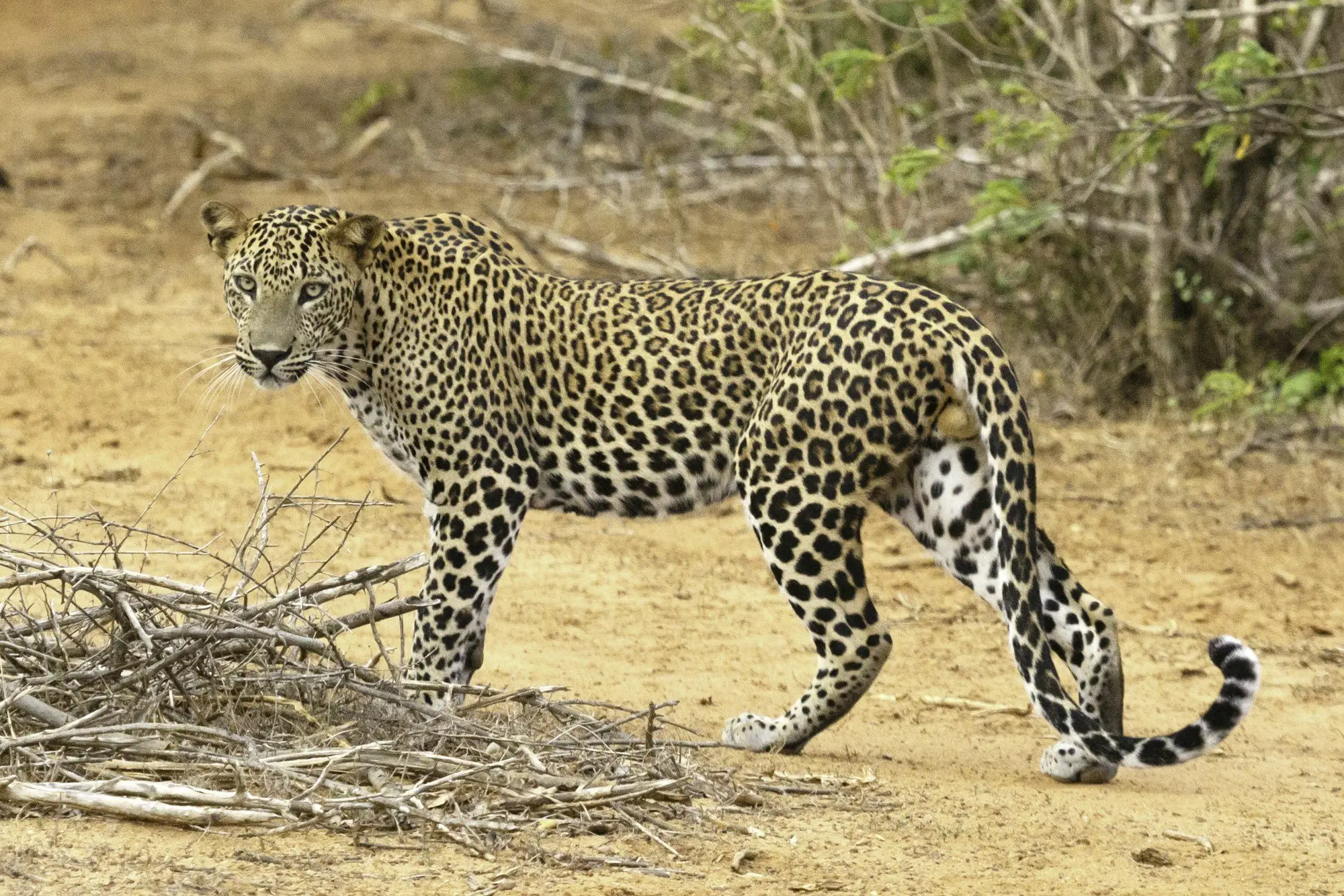

Yala National Park Guide: Leopards, Blocks & Best Time
Before your Yala safari: leopard odds, Block 1 vs Block 5, fees, safari timings, the usual Sep–Oct closure and how to avoid the jeep jams.

Wilpattu National Park Guide: Leopards, Lakes & Logistics
Sri Lanka's biggest, quietest park: how Wilpattu's lakes work, leopard and sloth bear odds, gates, fees, best months and trips from Negombo or Sigiriya.