Kalpitiya Travel Guide: Kitesurfing, Dolphins & Wilpattu
Kite seasons, dolphin trips and lagoon life on the Kalpitiya peninsula, plus how to pair your stay with a Wilpattu leopard safari.


Quick facts
- Kite seasons
- May–Oct (strong), Dec–Mar (lighter)
- Dolphin season
- Roughly Nov–Apr
- How long
- 2–3 nights, a week+ for kiters
- Closest park
- Wilpattu, ~2 h 15
- From the airport
- ~3 h 15 by car
- Good for
- Kiting, dolphins, slow days
On this page
Kalpitiya is a long, skinny peninsula on the north-west coast, with the open sea on one side and a wide, shallow lagoon on the other. Kitesurfers come here above all, along with anyone after dolphins, empty beaches and a few slow days far from the south coast's crowds. It isn't polished, and that's half the appeal: think fishing boats, salt pans and kite camps rather than beach clubs.
Before you book, understand that Kalpitiya has two personalities. From about May to September the south-west monsoon blows hard, and the wind often holds into October: heaven for kiters, but too rough for most dolphin boats. From about November to April the sea calms down and the dolphins take over. If you want a bit of both, aim for December to March, when the lighter kite season and dolphin season overlap.
It's also the closest beach base to Wilpattu, Sri Lanka's biggest national park, about 2¼ hours away by road.
Kalpitiya at a glance
- Where: about 3¼ hours north of Colombo Airport, between the Puttalam lagoon and the Indian Ocean.
- What it's like: sandy roads, palm groves, fishing villages and a scattering of kite camps and eco-resorts. Evenings are quiet.
- How long: 2–3 nights for dolphins and a safari, a week or more if you're kiting.
- Getting around: tuk-tuks and your hotel's transport. Distances along the peninsula are bigger than they look on the map.
Kitesurfing: seasons and spots
Kalpitiya is Sri Lanka's kitesurfing capital, for two good reasons: steady seasonal winds and a huge, shallow lagoon with flat water that's ideal for learning.
The seasons
- Summer (about May to October): strong south-westerly winds, often 20–30 knots, with July and August usually the windiest and most consistent. Small kites, big days.
- Winter (about December to March): gentler north-westerly winds of roughly 12–20 knots, often best in the afternoons. January and February tend to be the steadiest months. Bigger kites, calmer sea.
- April and November: in-between months with unreliable wind. Fine for a holiday, risky for a dedicated kite trip.
The spots
- Kalpitiya lagoon: the main spot, flat and roomy, where most schools teach. It gets busy at the height of summer.
- Kappalady lagoon: smaller and about waist-deep, good for practising tricks in peace.
- Dream Spot: a sandbar near the lagoon mouth, with flat water on one side and small waves on the other.
- Donkey Point: the place to go for waves when there's a swell.
- Vella Island: the famous flat-water spot up in Portugal Bay, reached by boat or by downwinder in summer. Several schools run trips there.
Wear booties, because shells and the odd sea urchin lurk on the lagoon bed. Most kite camps rent gear and run beginner courses, and since learning takes several days of lessons, it's worth booking a longer stay if you're starting from scratch.
Set your expectations on one thing: this isn't turquoise-water kiting. The lagoon is shallow and a little murky, and the summer wind can be gusty close to shore. Nobody seems to mind once they're up and riding, and the shallow water makes for soft landings while you learn.
Dolphin and whale trips
Between roughly November and April, large pods of spinner dolphins feed off the Kalpitiya coast, sometimes hundreds of animals at once, leaping and twirling around the boats. Trips leave very early, around 6 am, when the sea is flattest, and usually last a few hours. Whales are seen now and then, but treat them as a bonus rather than the reason to go.
From May to October the wind and swell keep most boats on the beach. If someone offers you a trip on a rough day, say no.
Dolphin watching here isn't tightly regulated, so how your boat behaves comes down to which operator you choose.
Take a hat, sunscreen, water and, if you're prone to it, seasickness tablets. The open sea can roll even on a calm morning.
Other things to do
- Paddle the lagoon: kayak or stand-up paddle through the mangroves, or take a boat out at sunset. Early mornings on the water are still and full of birds.
- Snorkel Bar Reef: Sri Lanka's largest reef system lies offshore, protected as a marine sanctuary. Go in the calm months (roughly November to April) and early in the morning, when visibility is best.
- Visit the Dutch fort: Kalpitiya's fort, built by the Dutch in 1667–76, stands inside a working navy base, so access is limited. Check visiting hours locally, carry ID and ask before taking photos.
- See St Anne's Church at Talawila: a big, much-loved Catholic shrine on the ocean side of the peninsula. It's peaceful most of the year and packed with pilgrims for its feasts in March and late July.
- Watch the fishing harbour wake up: go early to see the boats come in and fish laid out on racks to dry. Fishing is what keeps Kalpitiya going, and you'll often smell the drying racks before you see them.
- Look out for the salt pans: you'll pass glittering salt flats on the drive up the peninsula.
- Take a boat up the Kala Oya: the river along Wilpattu's southern edge makes a gentle boat trip, with crocodiles, water birds and fishing villages along the banks.
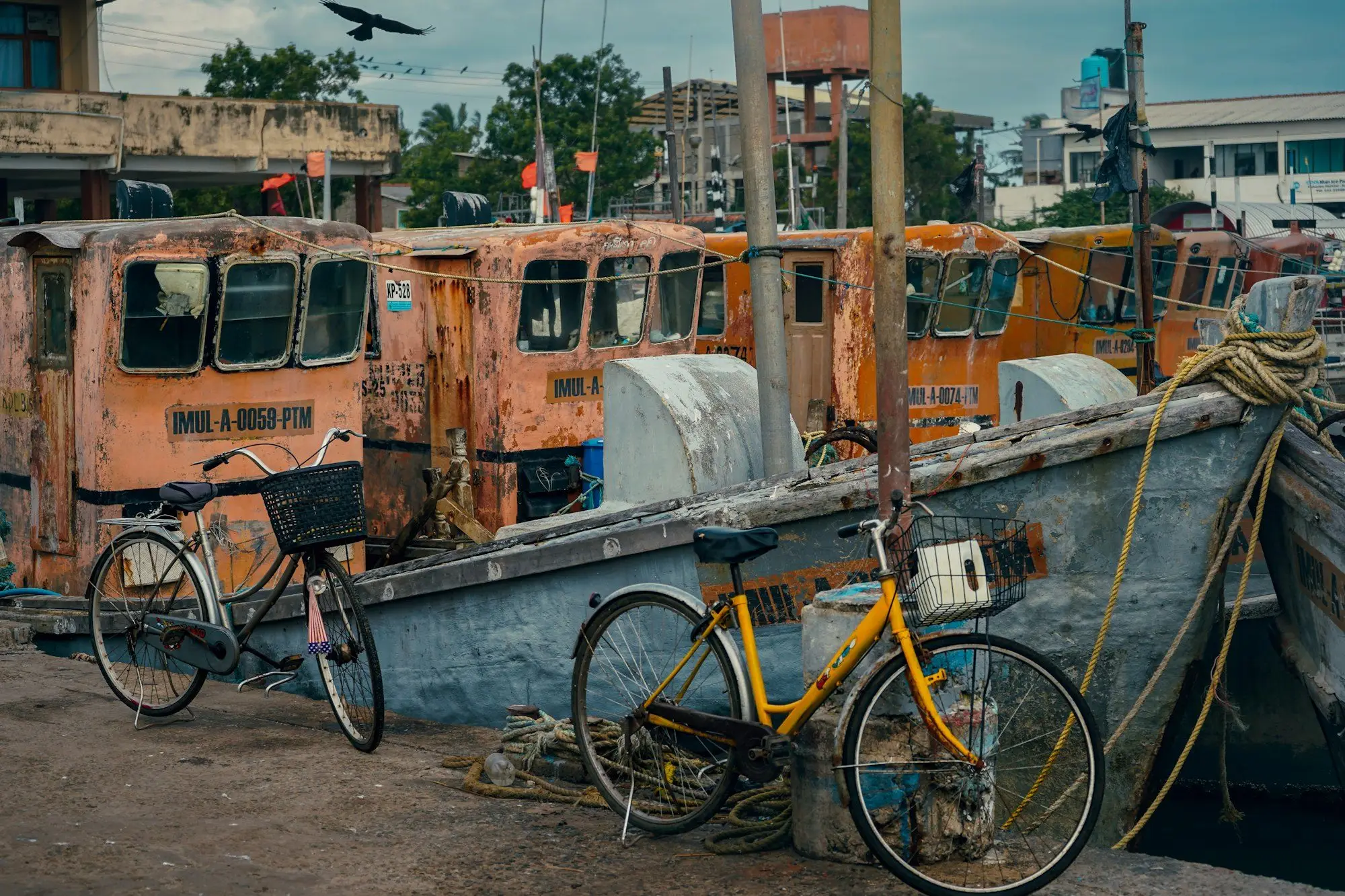
Bicycles and fishing boats at a Kalpitiya harbour, where the working day starts before dawn.
Where to stay
- Kite camps on the lagoon: around Kandakuliya and Kappalady, many places sit right on the water, with gear storage and instructors on site. The obvious choice for kiters.
- Beach resorts and glamping: on the ocean side around Alankuda and Kudawa, you'll find eco-resorts, cabanas and tented camps on long, empty beaches. Good for non-kiters and couples.
- Kalpitiya town: simple guesthouses, handy for the fort and the harbour, but with less of a holiday feel.
Many places are down sandy tracks and the peninsula is long, so check how far your hotel is from the lagoon if you're kiting, or from the boats if dolphins are the plan. Kite camps on the water can fill up in July and August, the windiest months, so book early if you're coming then.
Getting there from the airport
From Colombo Airport it's about 3¼ hours by car: north along the coast to Puttalam, then up the narrow peninsula. Negombo is about 3 hours away and Colombo about 3¾, which makes Kalpitiya an easy first or last stop on a trip.
Public transport works but is slow: a train or bus to Puttalam, then a bus or tuk-tuk up the peninsula, so allow most of a day. If you're carrying kite gear, a private transfer saves a lot of hassle. Our Negombo guide covers the airport end of things.
From the Cultural Triangle, Anuradhapura is about 2¾ hours away and Sigiriya about 4¼.
Safari from Kalpitiya: Wilpattu
Look at a map and Wilpattu seems to be right next door, with the park's western edge just across the water from the top of the peninsula. By road, though, you have to go the long way round, via Puttalam and then east along the Anuradhapura road to the main Hunuwilagama gate. That takes about 2¼ hours.
- Morning drive: a pickup at about half past three, at the gate when it opens at 6, then back at your hotel in time for a late lunch. It's a brutal alarm, but mornings are the best time in the park.
- Afternoon drive: leave in the late morning, drive the park from about 2 pm to 6 pm, and get back around 8:30 pm.
- Full day: possible if you're keen, with long drives at either end.
Kiting during your stay? In winter the wind usually builds in the afternoon, so the morning drive still leaves time for a session once you're back. In summer it blows most of the day, and the safari makes a good rest day for tired arms.
Leopards are possible on any drive, deer and birds are very likely, and a sloth bear is a lucky bonus. Wilpattu is a quiet park, with far fewer jeeps than Yala and calm sightings when they come. See the Wilpattu page for prices, or read our Wilpattu National Park guide for the full picture.
Lots of people pass through Kalpitiya on their way to the Cultural Triangle. If that's you, don't come back after the safari. Take the morning drive and carry on:
Heading to Anuradhapura instead is shorter still, about an hour from the gate. Yala and Udawalawe are seven hours or more away, so leave them for the south of your trip.
Best time to visit
- December to March: the sweet spot for most visitors, with calm seas for dolphins and Bar Reef, lighter kite winds and mostly dry days. Wilpattu is green, and lingering showers can leave its tracks muddy until about January.
- April: hot, with fading winds and the tail end of dolphin season.
- May to October: kite season proper, windy and wild, with rough seas that stop most dolphin trips. This is when Wilpattu is at its best, as the lakes shrink and animals gather around them.
- November: usually the wettest month here and between seasons, so it's the quietest time to visit.
The roads around Talawila fill with pilgrims during St Anne's feasts in March and late July, so book ahead if your dates overlap.
Good to know
When is kite season in Kalpitiya?
There are two. The strong season comes with the south-west monsoon, from about May to September and often into October, with winds of 20 knots or more, and a lighter season runs from about December to March. April and November are hit-and-miss.
When can you see dolphins in Kalpitiya?
Roughly November to April, when the sea is calm and large pods of spinner dolphins feed offshore. From May to October the wind and swell keep most boats on the beach.
How long does it take to get from Kalpitiya to Wilpattu?
About 2¼ hours by road to the main Hunuwilagama gate, which is the one we plan with. The western Eluwankulama entrance is closer, but it has a history of flood closures.
Can I learn to kitesurf in Kalpitiya?
Yes. The lagoon is flat, shallow and roomy, which is why so many kite schools are based here. Most beginners need several days of lessons before riding on their own, so plan a longer stay.
Kalpitiya or Negombo as a base for Wilpattu?
Kalpitiya is closer to the park (about 2¼ hours versus about 3¼ from Negombo) and much quieter, but further from the airport. Negombo suits a first or last night; Kalpitiya suits a few slow days by the sea.

Turn the drive into a safari day
We pick you up where you're staying, stop at the park and take you on to your next stop. Private car, private jeep, park tickets: one all-in estimate, sent on WhatsApp. No deposit, pay on the day.
Kalpitiya toKeep planning
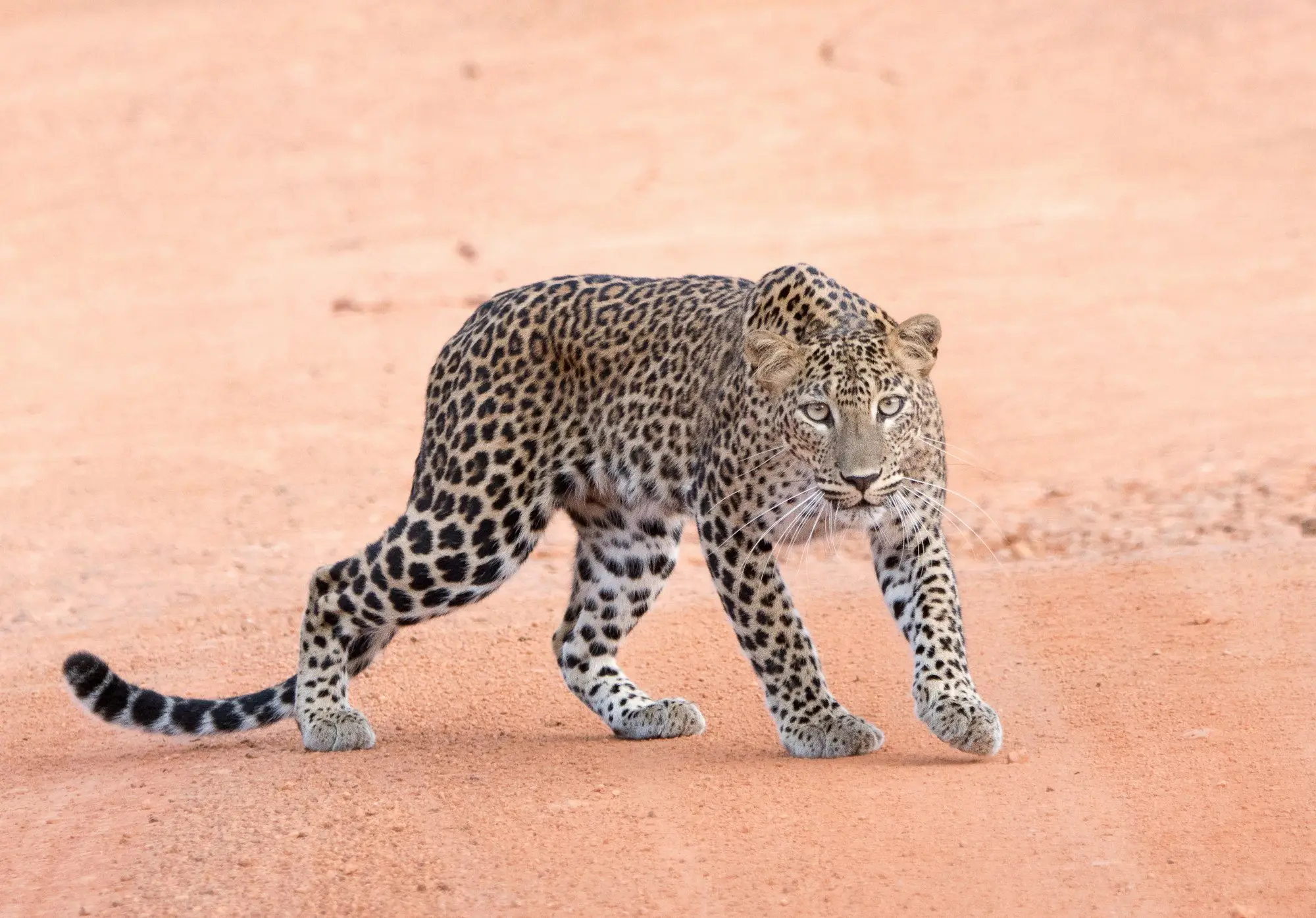

Wilpattu National Park Guide: Leopards, Lakes & Logistics
Sri Lanka's biggest, quietest park: how Wilpattu's lakes work, leopard and sloth bear odds, gates, fees, best months and trips from Negombo or Sigiriya.
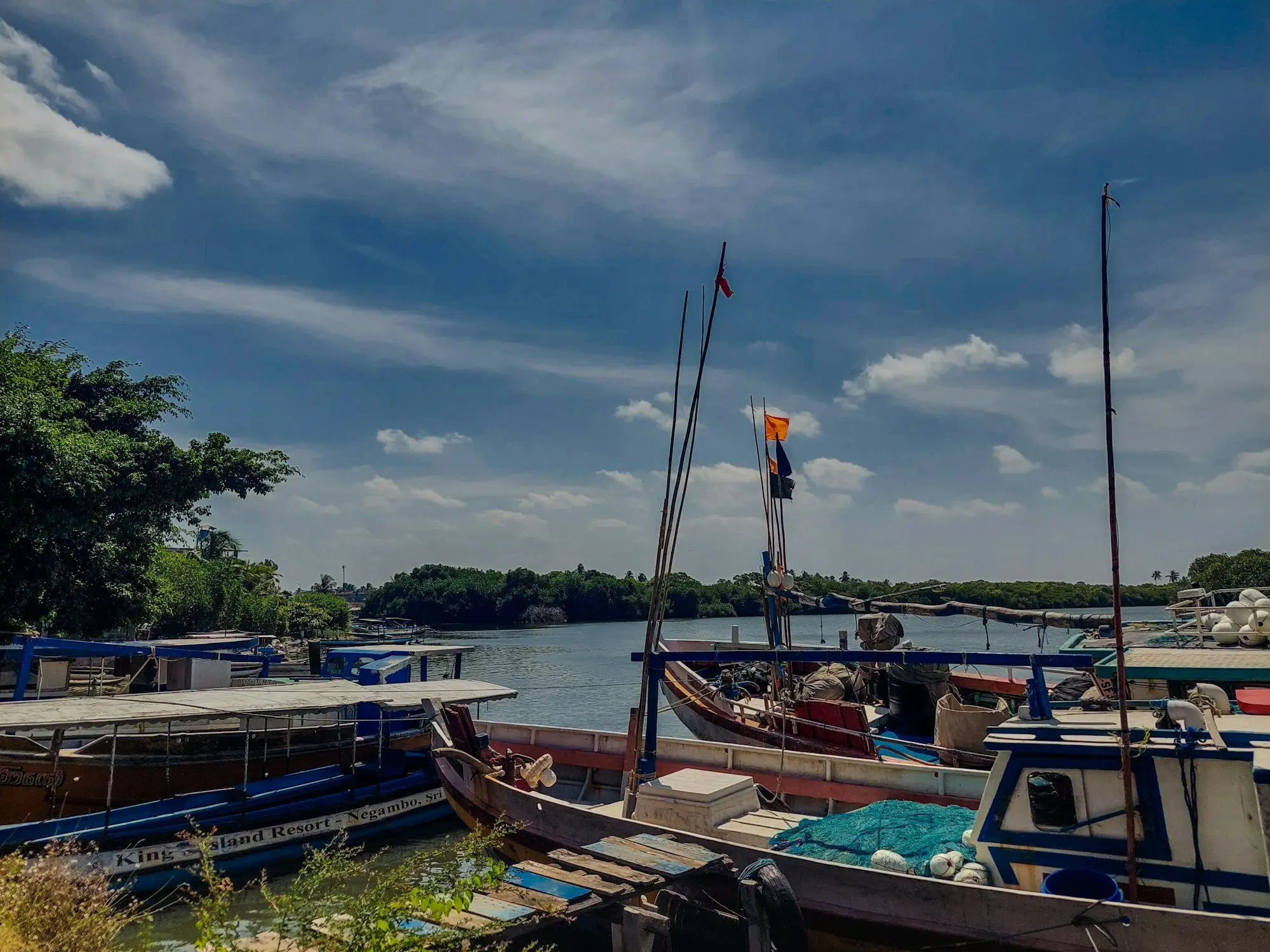

Negombo Travel Guide: Airport Town to Wilpattu Safari
Your first or last night near the airport: Negombo's lagoon, fish market and beach, plus how to start or end your trip with a Wilpattu safari.
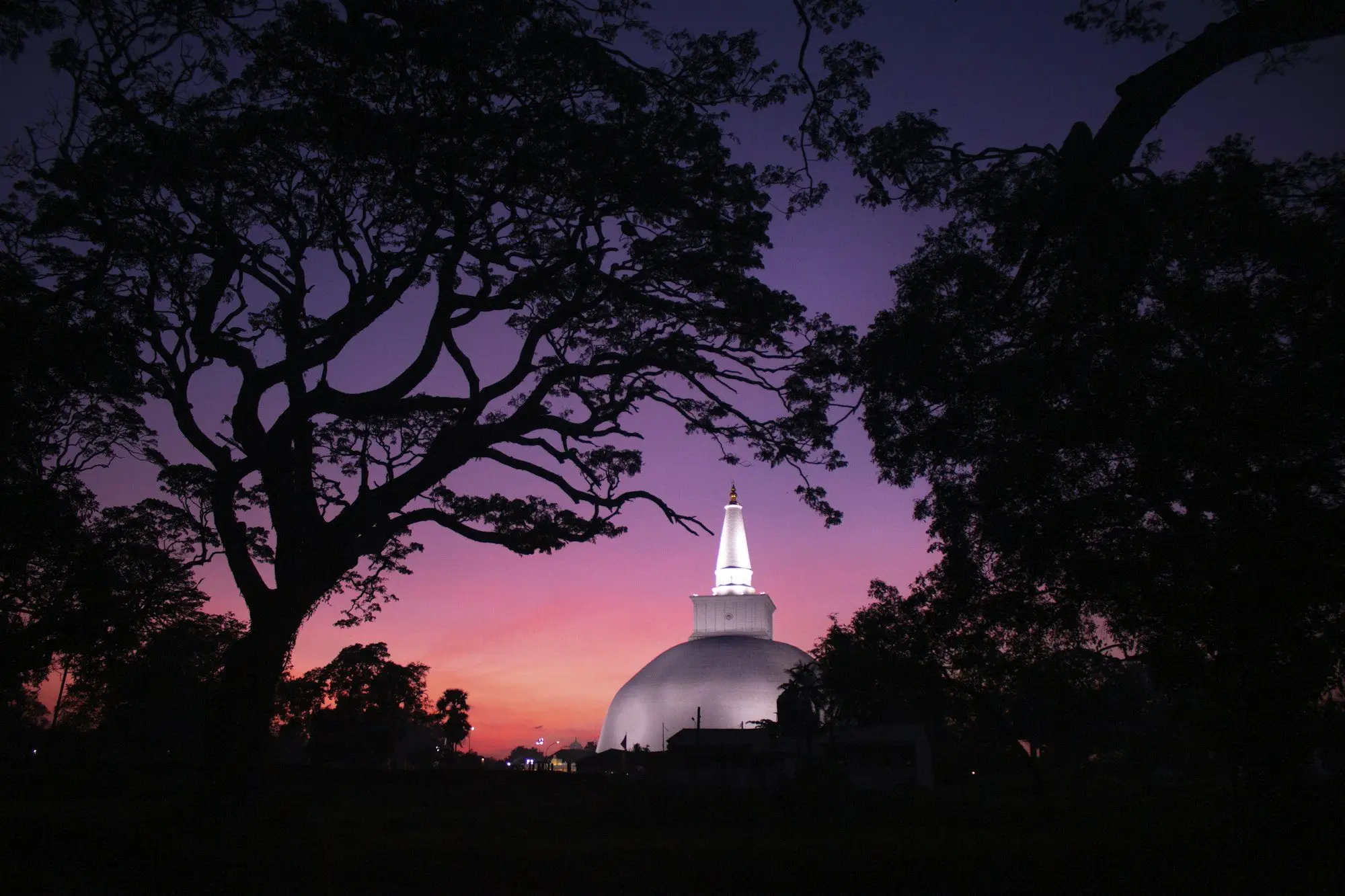

Anuradhapura Travel Guide: Ancient City & Wilpattu Safari
Cycle between Anuradhapura's giant stupas and the sacred Bodhi tree, then take the hour's drive to Wilpattu, Sri Lanka's biggest national park.