Anuradhapura Travel Guide: Ancient City & Wilpattu Safari
Cycle between Anuradhapura's giant stupas and the sacred Bodhi tree, then take the hour's drive to Wilpattu, Sri Lanka's biggest national park.


Quick facts
- Best months
- Feb–Mar and May–Sep
- How long
- 1 night, 2 with a safari
- Closest park
- Wilpattu, ~1 h
- Getting around
- Bicycle or tuk-tuk
- Sacred City ticket
- About US$30 per adult
- Good for
- Ancient sites, cycling, leopards
On this page
Anuradhapura is for travellers who like their history on a grand scale and still in use. This was Sri Lanka's capital for well over a thousand years, and its giant stupas aren't museum pieces: every evening, pilgrims dressed in white walk around them with lotus flowers in their hands. If you loved Sigiriya but could have done without the queues, you'll like it here.
Plan to see the Sacred City in two halves, early morning and late afternoon, and hide from the sun in between. The sites are spread out, shade is scarce, and you'll be barefoot on stone that gets properly hot by noon.
Anuradhapura is also the easiest town base for a Wilpattu safari. The park's main gate is about an hour away, so you can look for leopards at dawn and watch the sun set behind Ruwanwelisaya the same evening.
Anuradhapura at a glance
- What it is: the ruins of a royal capital and some of Buddhism's holiest sites, set among ancient reservoirs (called wewa). It has been a UNESCO World Heritage Site since 1982.
- Where: on the dry plains of the north-central province, about 1¾ hours north-west of Sigiriya.
- The layout: a modern New Town where you'll sleep and eat, with the Sacred City beside it, a big, leafy area of stupas, monastery ruins and tanks.
- Time needed: one full day for the Sacred City, half a day for Mihintale, and another night if you're adding Wilpattu.
- Weather: hot all year. From March to September, daytime highs of 33°C or more are normal.
The Sacred City: what to see
You could spend three days here and still miss things. These are the sites worth planning a day around.
Jaya Sri Maha Bodhi
The spiritual heart of Anuradhapura is a tree. It grew from a cutting of the Bodhi tree in India under which the Buddha is said to have attained enlightenment, brought here by the nun Sanghamitta in the third century BC. At more than 2,300 years old, it's thought to be the oldest living human-planted tree with a known planting date. You won't see much of the tree itself through the railings and prayer flags. What you'll see is the devotion around it, and that's the point. Come early in the morning or around dusk, when the chanting and offerings are at their most moving.
Ruwanwelisaya
This is the huge white dome you'll spot from all over town, built by King Dutugemunu in the second century BC on a terrace ringed by a wall of carved elephants. Come at dusk, when pilgrims circle it with flowers and the dome glows under the lights. It's the picture most people take home.
Thuparamaya
Smaller and older, Thuparamaya is said to be the first stupa built on the island, in the third century BC. It's surrounded by slender stone pillars that once held up a roof, and it's a short walk north of Ruwanwelisaya.
Jetavanaramaya
A mountain of red brick. When it was completed in the early fourth century AD, it stood about 122 metres tall, the tallest stupa in the ancient world, beaten among all structures only by two of the pyramids at Giza. Even at today's 71 metres, standing at its base gives you a crick in the neck.
Abhayagiri and the northern ruins
The northern part of the Sacred City is the most atmospheric to cycle through, with forest, monkeys and ruins appearing among the trees. Look for the Abhayagiri stupa, the serene Samadhi Buddha statue, the Twin Ponds (Kuttam Pokuna) and some beautifully carved moonstones, the half-moon doorsteps that Sri Lankan temples are famous for.
Isurumuniya
A small rock temple beside a pond, with a museum holding the much-loved "Lovers" carving. It has its own small ticket and looks its best in the late afternoon.
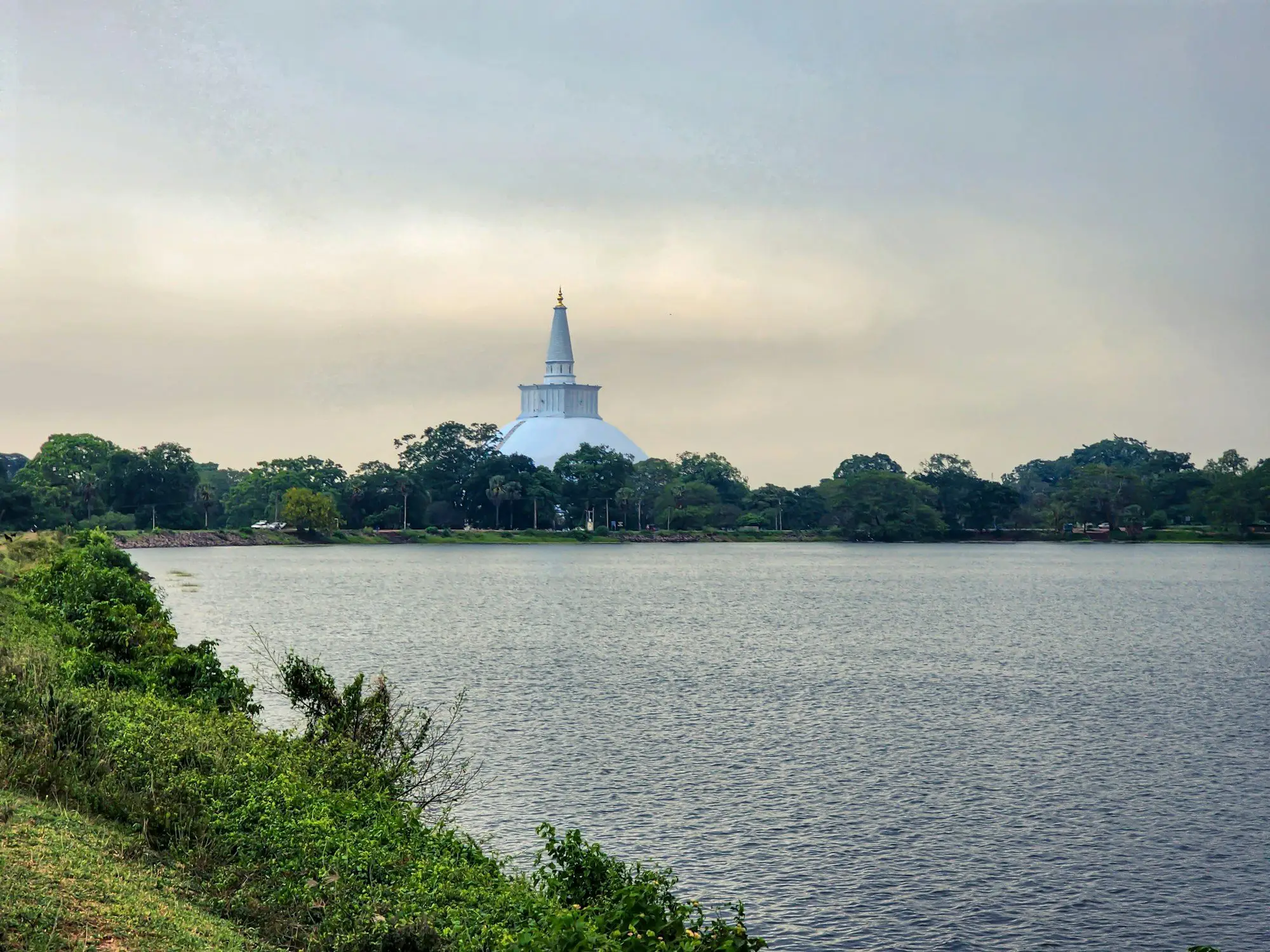
Ruwanwelisaya seen across one of Anuradhapura's ancient reservoirs.
For a sunset away from the crowds, walk along the bund of the Tissa Wewa or Nuwara Wewa reservoirs. Locals bathe and fish, and the light over the water is lovely.
Mihintale and nearby sights
Mihintale, roughly half an hour east of town, is where Buddhism is said to have arrived in Sri Lanka in the third century BC, when the monk Mahinda met King Devanampiya Tissa on this hilltop. It's a stiff climb of about 1,800 granite steps through frangipani trees, past an old pond guarded by a carved cobra (Naga Pokuna) and up to the white Mahaseya stupa. The last scramble, up a bare rock called Aradhana Gala with a railing to hold, gives you a view all the way back to Anuradhapura's stupas.
- Go when it opens or after 4 pm. The upper terraces are barefoot territory and the rock gets scorching.
- There's a separate ticket of around LKR 1,000–2,000 for foreign visitors (2025–26 reports vary, so check before you go).
- Avoid the June full moon, Poson, unless you want to share the steps with a huge crowd of pilgrims. It marks Mahinda's arrival and is an extraordinary sight, just not a quiet one.
Further afield, the tall standing Avukana Buddha and the forest monastery ruins at Ritigala make good stops on the way towards Dambulla or Habarana.
Tickets, dress code and getting around
Tickets
- The Sacred City ticket costs around US$30 for foreign adults and about half that for children aged 6 to 12 (2026 prices). Buy it at one of the ticket counters around the site; your guesthouse will tell you the nearest. It's checked at the big monastery sites and museums, so keep it on you.
- The Sri Maha Bodhi is a working temple and doesn't need the Sacred City ticket, though a small separate fee is sometimes asked of foreigners.
- Isurumuniya and Mihintale have their own tickets.
- Prices change, so check before you go.
Dress code
- Cover your shoulders and knees. White is what pilgrims wear and is a respectful choice, though nobody expects it of visitors.
- Shoes and hats come off on every stupa terrace and at the Bodhi tree. Wear sandals that slip off easily and carry a pair of light socks for hot stone.
- Never pose for a photo with your back to a Buddha statue, and keep any Buddha tattoos covered.
- Walk clockwise around stupas, like everyone else, and keep your voice down near people who are praying.
Getting around
- Bicycle: the best way, and the ground is flat. Guesthouses rent basic bikes for around LKR 1,000–1,500 a day.
- Tuk-tuk: agree a half-day or full-day rate with one driver rather than paying for each hop. Most will wait at every site and know a sensible order to see them in.
- Your own driver: fine for the bigger distances, though you'll still walk a fair bit between ruins.
Carry more water than you think you'll need. A barefoot afternoon on hot stone makes for a long day.
Where to stay
Most guesthouses and mid-range hotels are in the New Town, a short cycle from the Sacred City, and the quieter lanes closest to the ruins suit cyclists best. A handful of bigger hotels sit by the Nuwara Wewa and Tissa Wewa reservoirs, which are worth it for evening walks. There are also upmarket rural resorts in the countryside around town if you want a pool and some peace.
If the safari is your priority, you could also sleep at one of the lodges near the Hunuwilagama gate on the Wilpattu side. With the park only an hour from town, though, most people stay in Anuradhapura and do both.
Getting there
Anuradhapura sits at the northern tip of the Cultural Triangle, and the roads in are mostly flat. Typical drive times:
- Sigiriya, Dambulla or Habarana: about 1¾ hours
- Trincomalee: about 2¼ hours
- Kalpitiya: about 2¾ hours
- Kandy: about 3¼ hours
- Negombo or Colombo Airport: about 3¾–4 hours
Trains run from Colombo Fort on the northern line and take roughly four hours, with many continuing to Jaffna. Buses run from Colombo, Kandy and Dambulla. For the other end of the triangle, see our Sigiriya and Dambulla guide.
Safari from Anuradhapura: Wilpattu in an hour
Wilpattu is Sri Lanka's biggest national park, and from Anuradhapura it's about an hour west along the Puttalam road to the main Hunuwilagama gate. No bigger town is closer, which makes a Wilpattu safari from Anuradhapura about as easy as safaris get in Sri Lanka. We pick you up at your hotel, hand you over to a private jeep at the gate and sort out the tickets.
Here's how the day works:
- Morning drive: pickup before 5 am, at the gate for the 6 am opening, about four and a half hours in the park, and back in town around midday. Animals are most active early, and you still get the afternoon for the Sacred City.
- Afternoon drive: leave around 1 pm, drive the park from about 2 pm until 6 pm, and be back in time for dinner. Easier on the alarm clock, and the late light on the lakes is gorgeous.
- Full day: in the park from 6 am to 6 pm, with lunch at a designated rest point. Wilpattu is enormous and its quietest lakes are a long way in, so this is the choice for serious leopard and sloth bear hunters.
So what might you see? Spotted deer and birds (painted storks, eagles, waders) are very likely. Sambar, crocodiles and water buffalo are likely. A leopard is possible, elephants are possible but less common than in the southern parks, and a sloth bear is a lucky bonus. The park's lakes, called villus, are what make it special: shallow and sand-rimmed, with animals drifting in to drink. Read more in our Wilpattu National Park guide, or see prices and sessions on the Wilpattu page.
If Anuradhapura is your last stop before flying home, you don't need to come back to town at all. Take the morning drive and carry on to Negombo, near the airport, the same afternoon:
The same idea works if you're heading to Kalpitiya for some sea air, or back towards Sigiriya. Yala and Udawalawe are much too far for a day trip from here, so save them for the south of your trip and enjoy Wilpattu while you're up north.
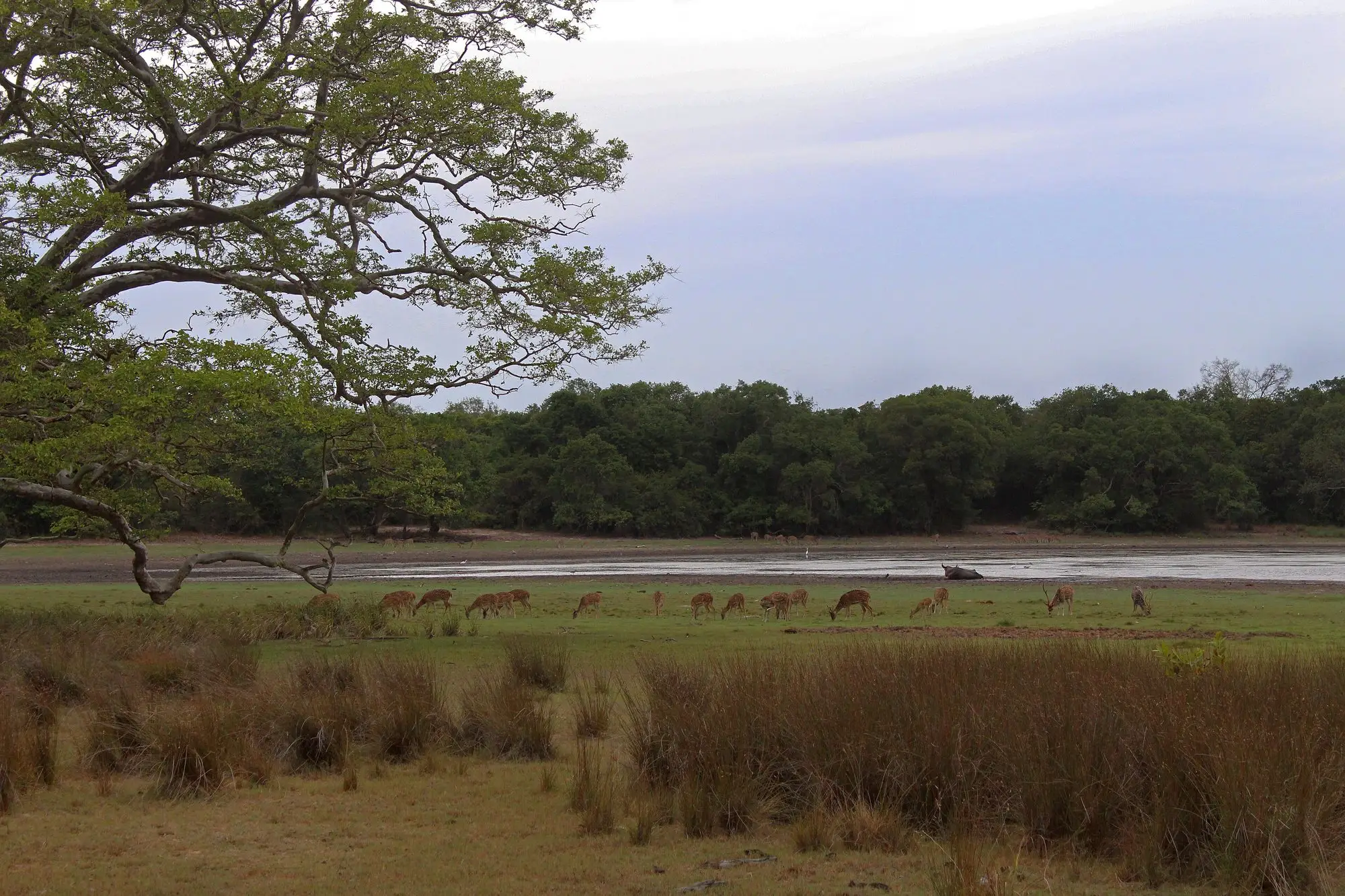
Spotted deer grazing beside a villu, one of Wilpattu's sand-rimmed lakes.
Best time to visit
Anuradhapura is in Sri Lanka's dry zone, so you can visit in any month, but some months are kinder than others.
- February and March: mostly dry and still green after the rains, with heat that's a touch less fierce. A lovely time to come.
- April: a burst of inter-monsoon storms in the afternoons, and very hot.
- May to September: the driest stretch and also one of the hottest, with daily highs around 33–34°C. It lines up with Wilpattu's best season, when the water shrinks and animals gather at the lakes.
- October to January: the north-east monsoon brings most of the year's rain, peaking from October to December. The sites stay open, but expect heavy showers, and Wilpattu's tracks can get muddy.
Every full moon (Poya) is a public holiday, when temples are at their busiest and alcohol isn't sold. Vesak in May and Poson in June bring huge, joyful crowds of pilgrims. They're wonderful to see, but book your room early.
Good to know
How far is Wilpattu from Anuradhapura?
About an hour by road (roughly 40 km) to the main Hunuwilagama gate. That makes Anuradhapura the easiest town base for a morning safari: you leave before 5 am and you're back by lunchtime.
Do I need a ticket for the Sri Maha Bodhi?
Not the Sacred City ticket. The sacred Bodhi tree is a working temple, though a small separate fee is sometimes asked of foreigners. The Sacred City ticket (around US$30 for foreign adults) covers the big monastery sites and museums such as Jetavanaramaya and Abhayagiri, and it's checked at several points.
How many days do I need in Anuradhapura?
One full day covers the Sacred City at an easy pace if you split it into a morning and a late afternoon. Add a second night for Mihintale or a Wilpattu safari.
What should I wear to the Sacred City?
Cover your shoulders and knees, and wear sandals you can slip off quickly, because you'll go barefoot at every stupa and at the Bodhi tree. Light socks help on hot stone, hats come off, and never pose with your back to a Buddha statue.
Can I see the Sacred City and do a Wilpattu safari on the same day?
Yes. Take the morning drive, rest over lunch, then cycle the Sacred City from mid-afternoon and finish at Ruwanwelisaya for dusk. It's a long, very satisfying day.
Can I do a Yala or Udawalawe safari from Anuradhapura?
Not as a day trip: both are more than six hours away by road. Save them for the south of your trip and use Wilpattu while you're up here.

Turn the drive into a safari day
We pick you up where you're staying, stop at the park and take you on to your next stop. Private car, private jeep, park tickets: one all-in estimate, sent on WhatsApp. No deposit, pay on the day.
Anuradhapura toKeep planning
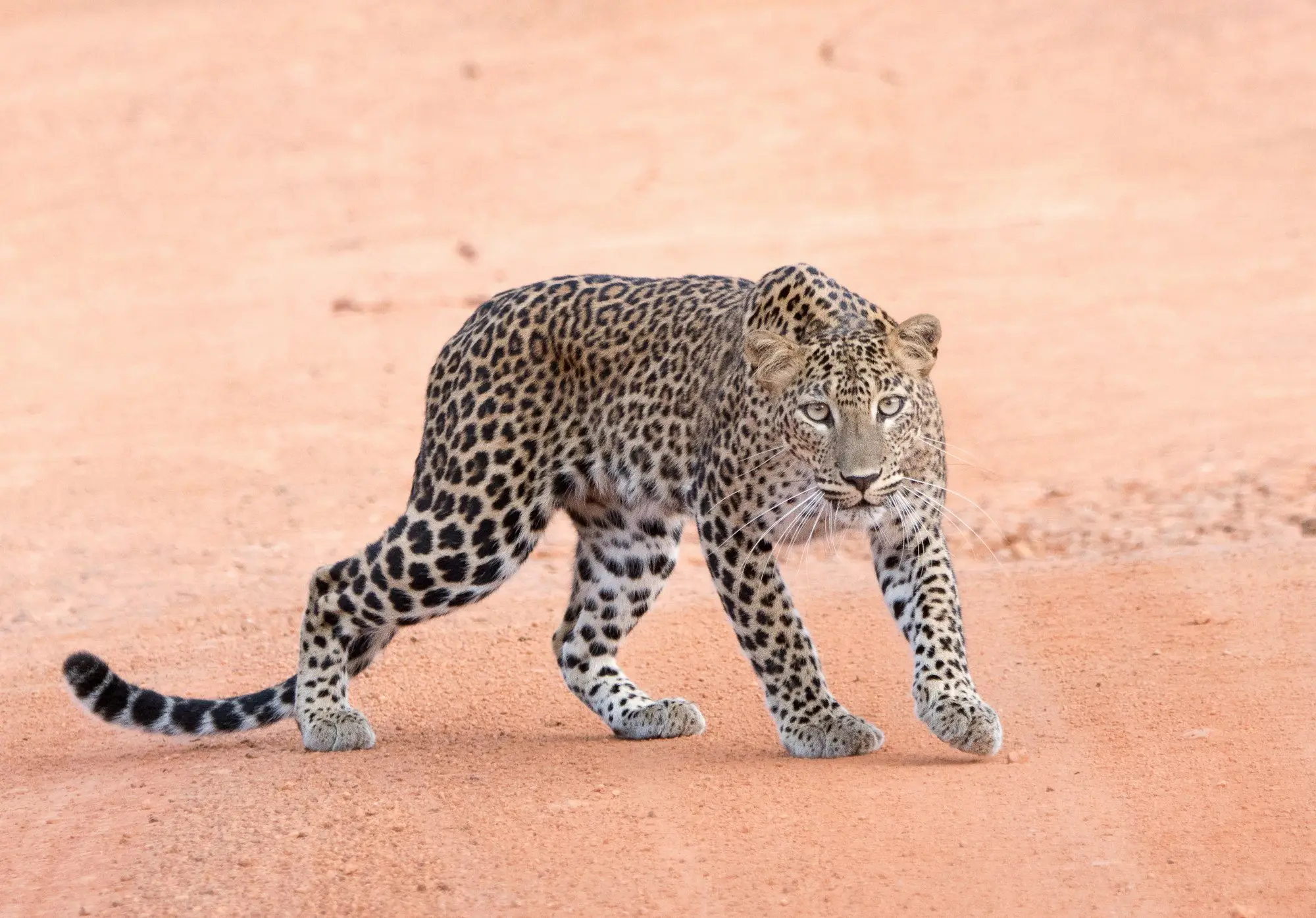

Wilpattu National Park Guide: Leopards, Lakes & Logistics
Sri Lanka's biggest, quietest park: how Wilpattu's lakes work, leopard and sloth bear odds, gates, fees, best months and trips from Negombo or Sigiriya.
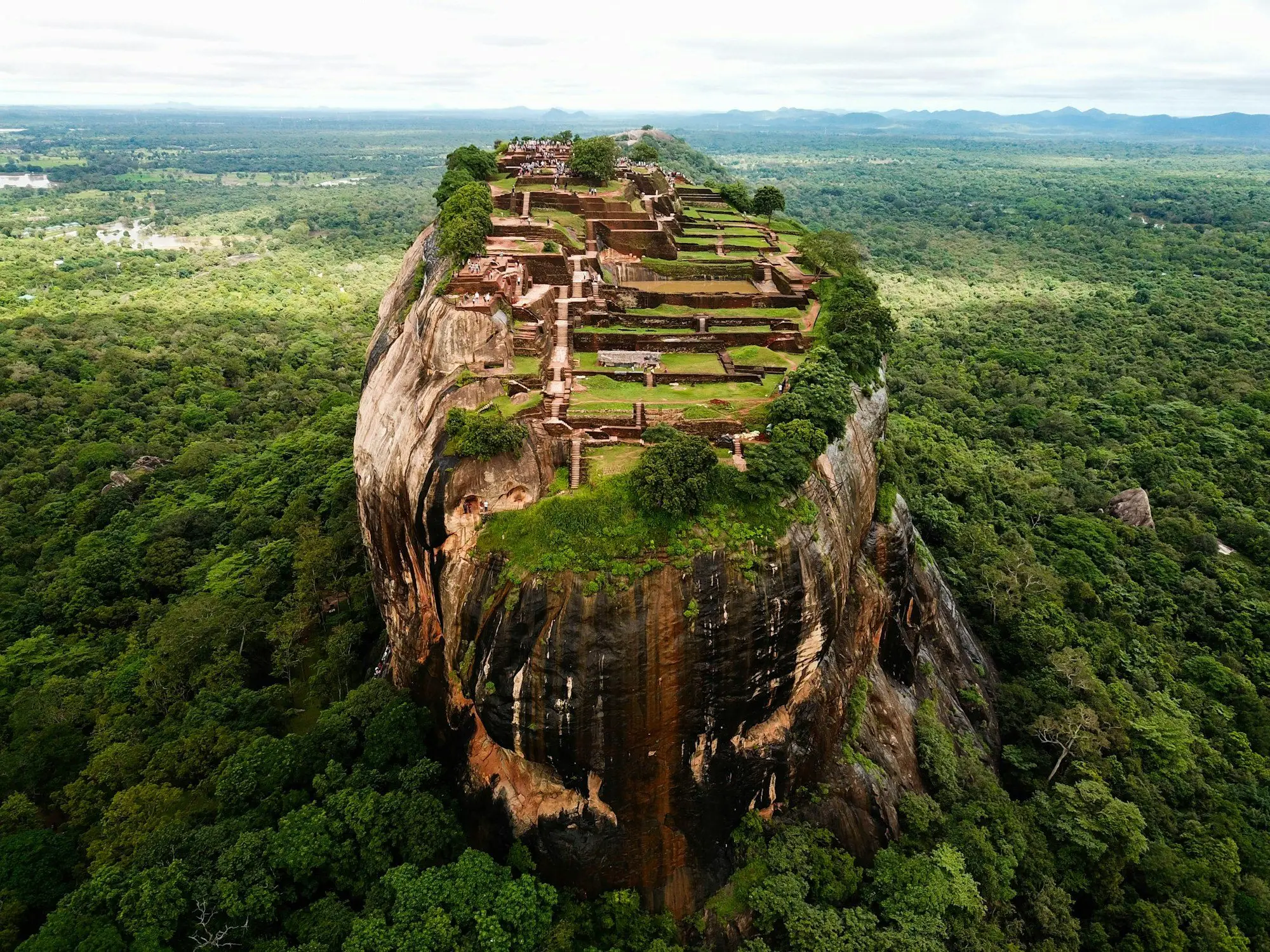

Sigiriya & Dambulla Guide: Rocks, Caves & Wilpattu Trips
Climb Sigiriya or Pidurangala at sunrise, see the Dambulla cave temples, and add a Wilpattu leopard safari on your way to the coast.
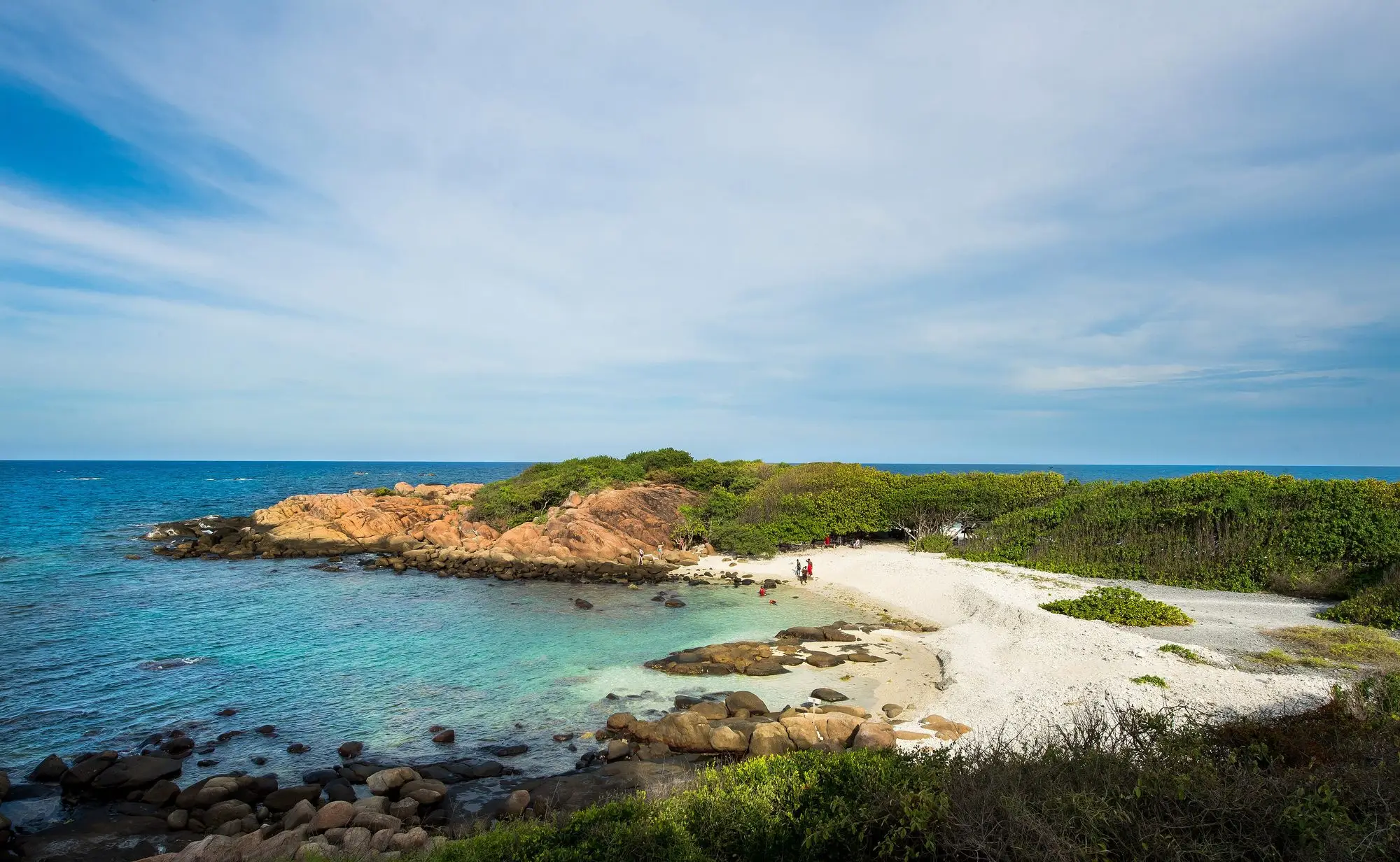

Trincomalee Travel Guide: Beaches, Whales & Safari Options
Nilaveli, Pigeon Island and Koneswaram Temple, east-coast season tips, and realistic advice on pairing Trincomalee with a Wilpattu safari.