Sigiriya & Dambulla Guide: Rocks, Caves & Wilpattu Trips
Climb Sigiriya or Pidurangala at sunrise, see the Dambulla cave temples, and add a Wilpattu leopard safari on your way to the coast.


Quick facts
- How long
- 2–3 nights
- Best months
- Feb–Sep (dry season)
- Bases
- Sigiriya, Dambulla or Habarana
- Closest park we run
- Wilpattu, ~2 h 30
- Good for
- Rock climbs, ruins, cave temples
On this page
Sigiriya is the hub of Sri Lanka's Cultural Triangle, and you could fill a week without going more than an hour and a half from it: Lion Rock and its rival Pidurangala, the painted cave temple at Dambulla, the ruined royal city of Polonnaruwa, and the elephant parks around Habarana. Most people give it two or three nights, which is about right.
There's history at every turn, and if you like a view you've worked for, there are two rocks to climb. If you hate heat and steps, come anyway.
Just start early: everything here is better at dawn. The rocks are cooler and quieter at opening time, and if you want a leopard safari, Wilpattu, Sri Lanka's biggest national park, is about 2½ hours west. That's close enough for a morning drive on your way to the coast or the airport.
Sigiriya, Dambulla or Habarana as a base?
They're all within about half an hour of each other, so you can't go far wrong.
- Sigiriya village puts you within walking or cycling distance of both rocks. Stays range from family guesthouses to jungle lodges with a view of the rock. Evenings are quiet, and restaurants are few.
- Dambulla is a proper town, with banks, buses and the cave temple on its doorstep. Lakeside hotels around Kandalama, including Geoffrey Bawa's Heritance Kandalama, are a short drive away.
- Habarana is a junction town, closest to the Minneriya, Kaudulla and Hurulu elephant parks and on the road to Polonnaruwa and Trincomalee. You'll see elephant rides advertised here. Please skip them.
We pick up from all three: in our trip planner, "Sigiriya" covers Dambulla and Habarana too.
Sigiriya Rock vs Pidurangala
Sigiriya (Lion Rock)
In the fifth century AD, King Kashyapa turned this granite column, about 180 metres high, into a royal citadel. The climb takes you through his water and boulder gardens, up to a sheltered gallery of painted women (the famous frescoes), and past the Mirror Wall, scratched with verses by visitors more than a thousand years ago. Then come the giant stone Lion's Paws and, finally, the palace ruins on the summit. It has been a UNESCO World Heritage Site since 1982.
- Tickets: US$35 for foreign adults and US$20 for children in 2026, payable in rupees at the counter or online through the Central Cultural Fund. Tickets are single entry, so you can't pop out and back in.
- Hours: several 2026 reports say tickets are sold from 5 am to 5 pm, though some sources still list a 7 am opening. Check with your hotel the night before.
- The climb: about 1,200 steps, 30 to 40 minutes up for most people, and two to three hours for the whole visit. The upper stairways are steel and exposed, which can test anyone who dislikes heights.
- Hornets: wild hornets nest on the rock and occasionally swarm. If staff ask you to wait or come down, do it, and leave the perfume at the hotel.
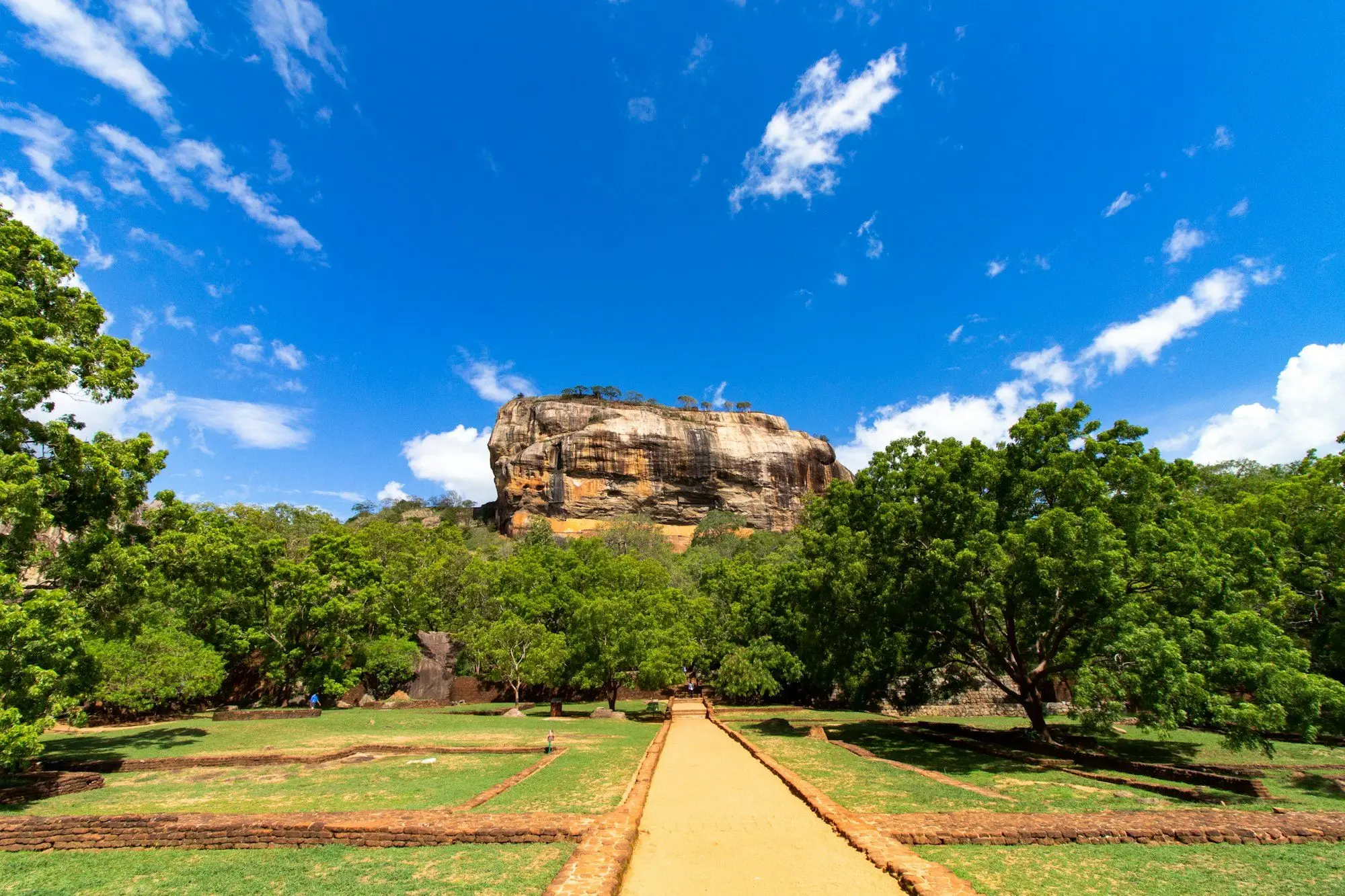
The path through Sigiriya's water gardens towards the rock
Pidurangala
Pidurangala is the rock next door, and its summit has the best view there is of Sigiriya itself. The path starts at a working temple, so cover your shoulders and knees for that part (a sarong over shorts is fine). From there it's 30 to 45 minutes of uneven stone steps through the forest, past a large brick reclining Buddha sheltered under an overhang. It's still a place of worship, so pass quietly. The last few minutes are a scramble over boulders that needs your hands, decent shoes and a bit of agility.
- Tickets: about LKR 1,000 in 2025–26, paid at the temple. Bring cash.
- Hours: from about 5 am, which makes it the obvious choice for sunrise. Bring a torch for the path.
So which one? Sigiriya is the history, the engineering and the frescoes, with smoother steps and bigger crowds. Pidurangala costs a fraction of the price and has the better view, because Sigiriya is in it. If you can, do both.
Dambulla Cave Temple and more
The Dambulla cave temple, also called the Golden Temple of Dambulla, has drawn pilgrims for more than two thousand years. Beneath a huge granite outcrop, five caves hold more than 150 statues of the Buddha and around 2,100 square metres of painted walls and ceilings, added and repainted over many centuries. It's a UNESCO World Heritage Site and still a working monastery. Inside, the light is low and the air is hushed, and the paintings follow every curve of the rock overhead. Give it time and let your eyes adjust.
- Tickets and hours: about LKR 2,000–3,000 for foreign visitors (2026 reports vary), sold at the office at the foot of the hill, near the modern Golden Temple building. It's open roughly 7 am to 7 pm, with the last tickets sold earlier in the afternoon.
- The walk: 10 to 20 minutes up a stepped path across the rock. Go early, before the stone heats up. Monkeys hang around the steps, so keep food out of sight.
- Respect: cover your shoulders and knees, leave your shoes at the stand at the top (a small fee or tip is expected), take off your hat and keep your voice down. Don't touch the paintings or statues, and never pose with your back to a Buddha statue.
Nearby, architecture fans can drive out to Kandalama, where Geoffrey Bawa built his famous hotel along a cliff above the reservoir, so that the jungle grows over it. If you're not staying, ask whether you can book a meal there; it's a good excuse for a look.
Polonnaruwa and day trips
Polonnaruwa, about an hour to an hour and a half east of Sigiriya, was Sri Lanka's royal capital after Anuradhapura, from around the 11th to the 13th century. The ruins are compact and mostly flat, which makes them ideal by bicycle. Don't miss:
- the Royal Palace and council chamber of King Parakramabahu I;
- the Quadrangle, with the circular Vatadage relic house;
- Gal Vihara, where four great Buddha figures are carved into a single granite face. It's a revered shrine, so shoes and hats come off and voices drop;
- the Parakrama Samudra, the vast reservoir that fed the city.
In 2026 tickets cost about US$30 for foreign adults, sold at the archaeological museum by the lake, and the site is open from about 7 am to 6 pm. Start at the museum, which makes sense of everything you'll see. Like Sigiriya, the ancient city has been on the UNESCO list since 1982.
Other day trips:
- Anuradhapura (about 1¾ hours) is the older capital, with giant stupas and the sacred Bodhi tree. It deserves a night of its own, and it's only an hour from Wilpattu's gate. See our Anuradhapura guide.
- Kandy (about 2¼ hours) is the next stop south for most people.
- Trincomalee (about 2½ hours) has the east coast's beaches, at their best from about April to September.
Where to stay
- Guesthouses and homestays in Sigiriya village are friendly and good value, often with a home-cooked rice and curry dinner.
- Jungle lodges and eco-resorts around Sigiriya trade town comforts for birdsong and rock views.
- Big resort hotels in Habarana and around Kandalama have pools, buffets and space to recover after a climb.
Two local tips. Wild elephants cross the roads around Sigiriya and Habarana after dark, so don't walk or cycle on unlit roads at night; take a tuk-tuk. And if you've booked a pre-dawn pickup, tell your hotel the evening before and ask for a breakfast box. They're used to early starts here.
Getting there
- From the airport or Negombo: about 3 hours on a clear run, and often 3½ to 4 hours with traffic through Kurunegala and Dambulla.
- From Kandy: about 2¼ hours. From Colombo: about 4 hours.
- By bus: there's no railway to Sigiriya, but buses run from Colombo and Kandy to Dambulla, and a tuk-tuk or local bus covers the last stretch.
- Via a safari: from the airport or Negombo, you can come via Wilpattu with an afternoon drive on the way. Our Negombo guide shows how that day works.
Once you're here, tuk-tuks are everywhere, bicycles are great in Sigiriya village and at Polonnaruwa, and a car with a driver makes it easy to link Dambulla, Polonnaruwa and a safari.
Safari from Sigiriya: why Wilpattu
First, a word on the parks next door. The safaris everybody sells around here are Minneriya, Kaudulla and Hurulu Eco Park, all 30 to 50 minutes from Sigiriya. They're elephant parks, and very good ones. In the dry months, herds gather on the grassy shores of the old reservoirs, peaking with Minneriya's famous "Gathering" in about August and September; later in the year the elephants tend to shift to Kaudulla, with Hurulu as a fallback.
We don't run safaris there (yet). Your hotel can book a jeep for an afternoon drive. Look for a driver who keeps a respectful distance, doesn't chase or box in the herd and switches the engine off at sightings, and be ready for a crowd of jeeps at peak times.
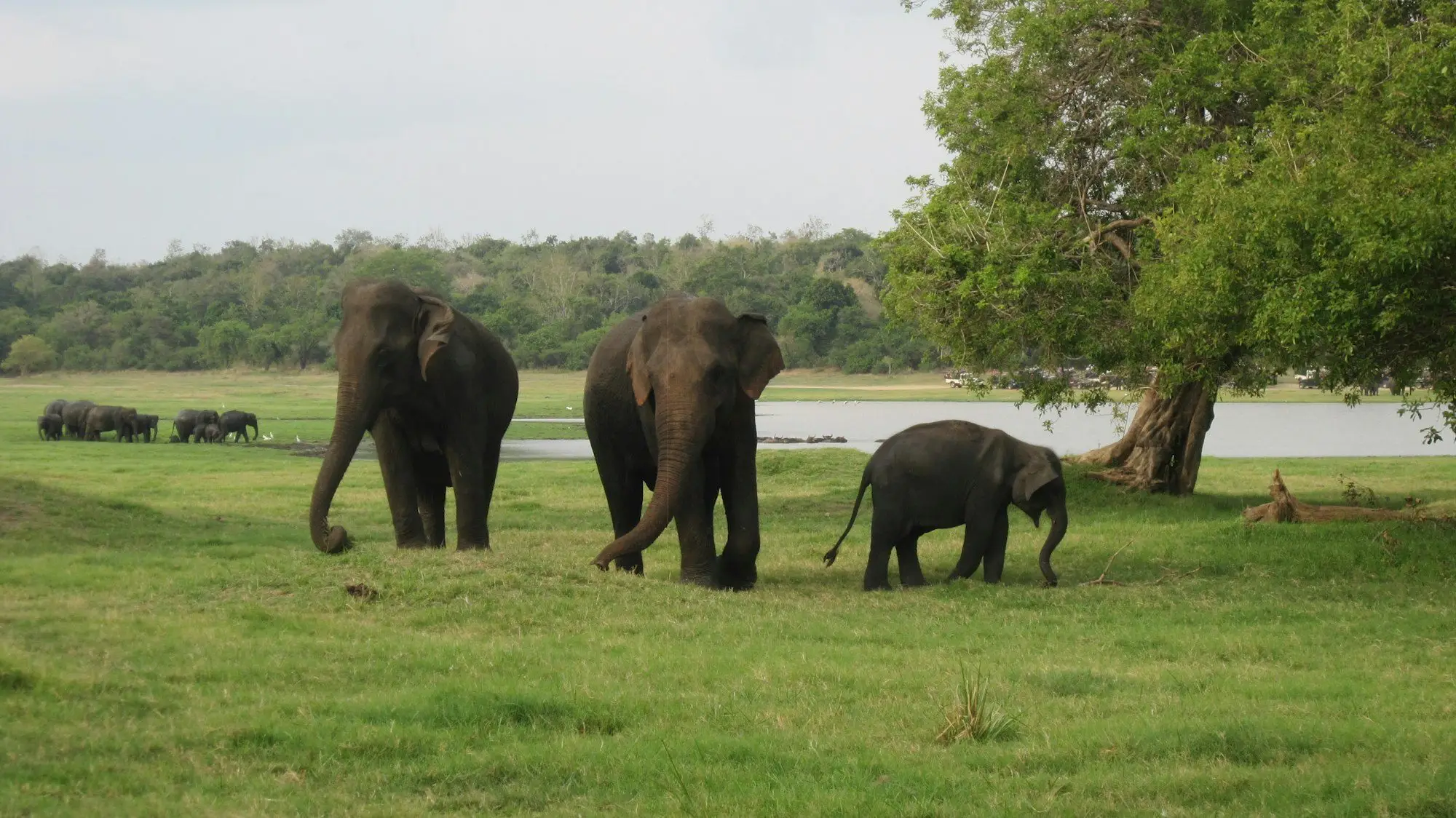
A wild elephant family at Minneriya, the easy elephant safari from Sigiriya
So why go further? Because Wilpattu offers things the elephant parks don't:
- Leopards. They're possible on any drive, never guaranteed, and when you do find one there are usually only a few jeeps around.
- Sloth bears, if you're lucky, plus spotted deer, crocodiles and water birds such as painted storks around its natural lakes, the villus.
- Space. It's Sri Lanka's largest national park, and it feels like it.
From Sigiriya, the gate is about 2½ hours away, which makes Wilpattu the only one of our three parks you can do as a morning drive from here. The pickup is a little after 3 am, you're in the jeep at 6, and you're out at about 10:30, when the heat sends the animals into the shade. Udawalawe (about 5¾ hours) and Yala (about 7) are overnight trips, so save them for the southern half of your route, via Ella.
The best way to use Wilpattu is on a travel day. Instead of driving straight from Sigiriya to Negombo or the airport at the end of your trip, go via the park:
You're in Negombo by mid-afternoon, with time for a swim and a seafood dinner before your flight the next day. If you're flying out that evening, the same day can finish at the airport instead; send us your flight time and we'll check it works. Heading to Anuradhapura next? You'd be there before lunch.
Best time to visit
The Cultural Triangle lies in Sri Lanka's dry zone. Most of its rain comes with the north-east monsoon, roughly from November to January, with storms possible in October. February to September is mostly dry, and from about April it gets properly hot, which is why every guide, this one included, keeps telling you to climb at dawn.
- Elephants: Minneriya's Gathering peaks in about August and September.
- Wilpattu: best from about February to October; heavy rain from November to January can close tracks.
- Festivals: full-moon Poya days, especially Vesak in May and Poson in June, bring crowds of pilgrims to Dambulla and the ancient cities. Dress respectfully and expect queues.
Good to know
Should I climb Sigiriya or Pidurangala?
If you can only do one, choose Sigiriya for the history and Pidurangala for the view of Sigiriya itself. Better still, do Pidurangala at sunrise one day and Sigiriya at opening time the next.
How much does it cost to climb Sigiriya?
In 2026 foreign adults pay US$35 (children US$20), payable in rupees, and Pidurangala is about LKR 1,000. Prices change, so check before you go.
Can I do a Wilpattu safari from Sigiriya?
Yes. The main gate is about 2½ hours away, so a morning drive means a pickup a little after 3 am, and you're back in Sigiriya by early afternoon. You can also finish in Negombo or Anuradhapura if you're moving on.
Why don't you run Minneriya safaris?
We don't run safaris at Minneriya, Kaudulla or Hurulu (yet). They're 30 to 50 minutes from Sigiriya and great for elephants, so book them locally; choose Wilpattu if leopards, sloth bears and quieter tracks matter more to you.
What should I wear to Dambulla Cave Temple?
Cover your shoulders and knees, and be ready to take off your shoes and hat at the top. Socks help on the hot rock, and keep your voice low inside the caves.
How far is Sigiriya from Colombo airport?
About 3 hours on a clear run, and often 3½ to 4 hours with traffic through Kurunegala and Dambulla. Going via Wilpattu turns it into a full day with a safari in the middle.

Turn the drive into a safari day
We pick you up where you're staying, stop at the park and take you on to your next stop. Private car, private jeep, park tickets: one all-in estimate, sent on WhatsApp. No deposit, pay on the day.
Sigiriya toKeep planning
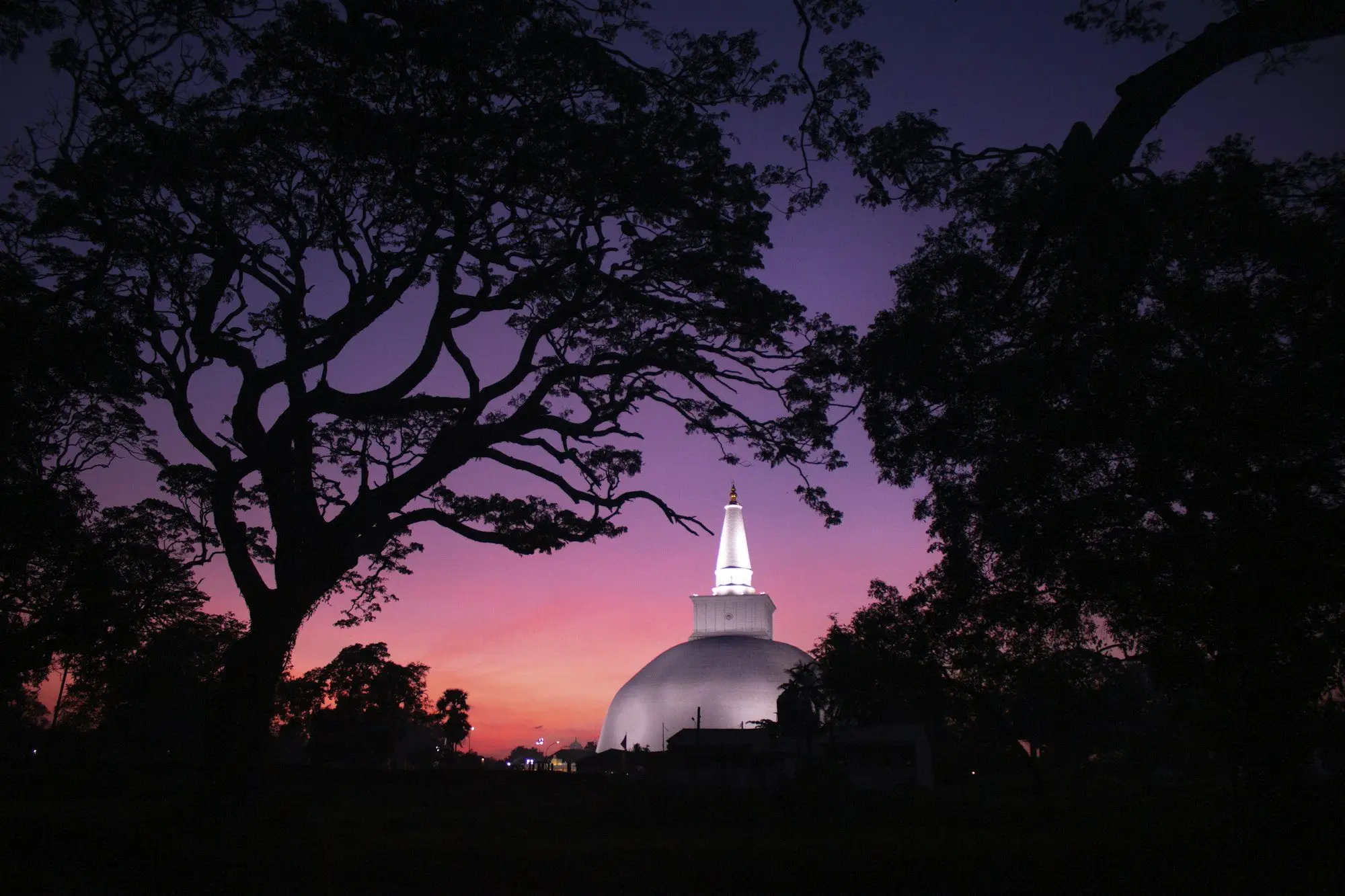

Anuradhapura Travel Guide: Ancient City & Wilpattu Safari
Cycle between Anuradhapura's giant stupas and the sacred Bodhi tree, then take the hour's drive to Wilpattu, Sri Lanka's biggest national park.
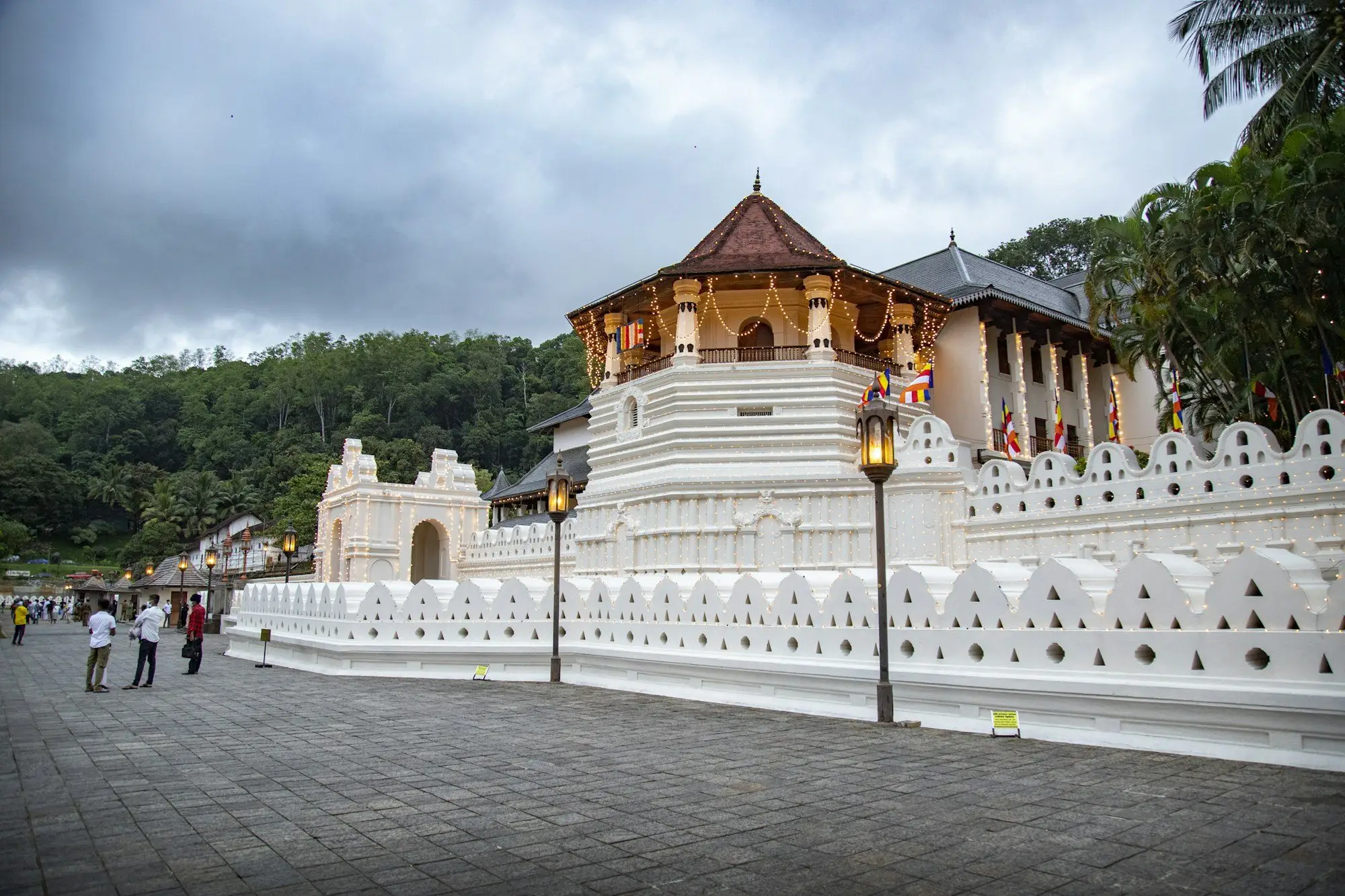

Kandy Travel Guide: Temple, Lake & Where to Safari Next
The Temple of the Tooth, Kandy Lake and the hill-country train, plus practical advice on which safari park fits a trip through Kandy.

Negombo Travel Guide: Airport Town to Wilpattu Safari
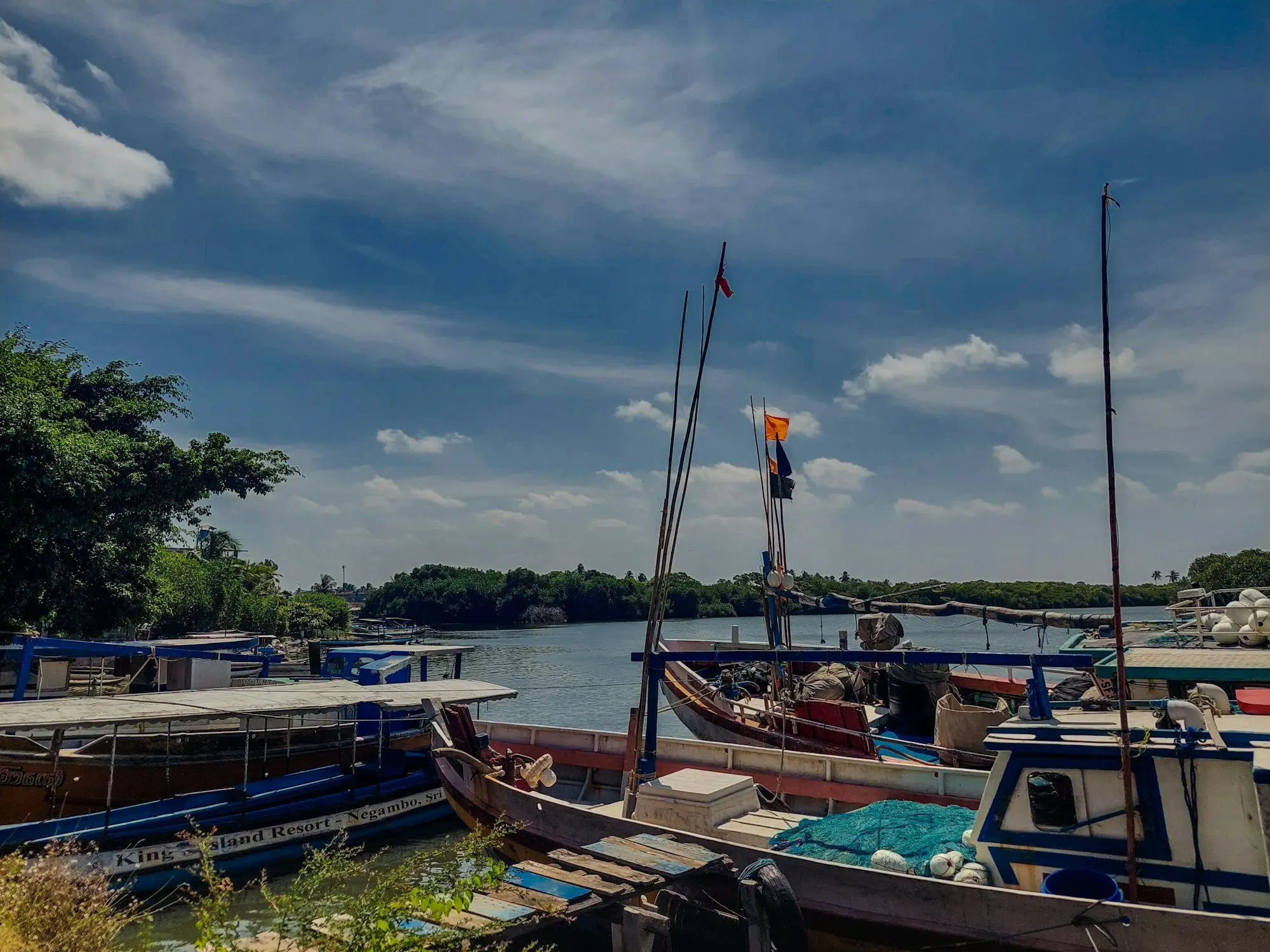
Your first or last night near the airport: Negombo's lagoon, fish market and beach, plus how to start or end your trip with a Wilpattu safari.