Trincomalee Travel Guide: Beaches, Whales & Safari Options
Nilaveli, Pigeon Island and Koneswaram Temple, east-coast season tips, and realistic advice on pairing Trincomalee with a Wilpattu safari.


Quick facts
- Best months
- Apr–Sep (east-coast season)
- How long
- 3–4 nights
- Whale season
- Roughly Mar–Sep
- Our closest park
- Wilpattu, ~3 h 15
- Beach bases
- Uppuveli or Nilaveli
- Good for
- Beaches, snorkelling, whales
On this page
Trincomalee, or Trinco, is the east coast's big town: a deep natural harbour, a clifftop Hindu temple and long, pale beaches running north to Uppuveli and Nilaveli. Come for the sand, the snorkelling and the whales, or simply for Sri Lanka's coast without the south's crowds. History fans do well too, with a colonial fort and Hindu and Buddhist shrines within easy reach.
Timing is everything here. Trinco's season is the reverse of the one on the south and west coasts, so it's at its best from about April to September, when the sea is calm and clear. From October to January the north-east monsoon brings heavy rain and rough seas, and Pigeon Island usually closes.
As for safaris, the nearest parks to Trinco are Minneriya and Kaudulla, which we don't run (yet). Wilpattu, our closest park, is about 3¼ hours away, and it works best as a stop on your way west rather than as a day trip. More on that below.
Is Trincomalee worth visiting?
In season, very much so. Here's what you get:
- Calm, swimmable beaches: in the summer months the sea at Uppuveli and Nilaveli is often flat and clear, with shallow water a long way out.
- Snorkelling with reef sharks: Pigeon Island is one of the easiest places in Sri Lanka to watch blacktip reef sharks from the surface.
- Whales with fewer boats: blue and sperm whales pass close to this coast in season, with far less boat traffic than at Mirissa.
- A real town: markets, temples and a fort you can walk around, rather than a strip of resorts.
Out of season it's a different story. The east coast is wet and windy, the sea churns, and some beach places shut until the season comes round again. If you're travelling between November and February, the south coast is the better bet.
Best things to do in Trincomalee
Koneswaram Temple and Fort Frederick
Trinco's headline sight is Koneswaram, a Hindu temple to Shiva on Swami Rock, a sheer cliff at the tip of the town's peninsula. The ancient temple was destroyed by the Portuguese in 1622 and its stones were used to build their fort. The colourful temple you see today was rebuilt in the 1950s, and it's a busy, joyful place of worship. Beside it, Lovers' Leap drops straight to the sea, with sweeping views over the bay.
To get there you pass through Fort Frederick, built by the Portuguese, rebuilt by the Dutch and now used by the army. Visitors can walk or drive through, and spotted deer wander about as if they own the place.
- Cover your shoulders and knees, and leave your shoes at the stand by the entrance.
- Puja times are the most atmospheric. The temple can close for a few hours around midday, so aim for the morning or late afternoon.
Beaches and bays
- Uppuveli: the closest beach strip to town, with cafés, guesthouses and a sociable feel.
- Nilaveli: longer and quieter, and the jumping-off point for Pigeon Island.
- Marble Beach: a sheltered cove south of town, run by the Air Force, with very clear water on calm days. Take ID for the checkpoint at the entrance.
More to see
- Kanniya Hot Wells: a cluster of shallow wells of warm spring water about 8 km from town, where people tip buckets over each other's heads. More fun than impressive.
- Trincomalee War Cemetery: a peaceful, beautifully kept Commonwealth war cemetery on the Nilaveli road, mostly with graves from the Second World War.
- The town itself: brightly painted Hindu kovils, the fish market and sunset on Dutch Bay beach.
- The food: Trinco's cooking leans Tamil, so look for dosa and vadai at breakfast and a fiery crab or fish curry by the beach in the evening.
Pigeon Island and snorkelling
Pigeon Island National Park is a pair of small rocky islands about a ten-minute boat ride off Nilaveli, and one of Sri Lanka's three marine national parks. Expect coral gardens, reef fish, turtles and, best of all, blacktip reef sharks cruising the shallows. They're harmless to snorkellers and surprisingly easy to see.
- When: usually from around April or May to September. It can close in rough weather, and normally does during the north-east monsoon.
- Tickets: the Department of Wildlife Conservation ticket desk is on Nilaveli beach. In 2025, foreign adults paid a US$25 base fee plus a service charge and 18% VAT, and the boat is extra, arranged with the boat owners on the beach.
- Rules: don't touch or stand on the coral, don't feed the fish, and use reef-safe sunscreen.
- Bring: water, snacks and a hat. There are no facilities on the island.
Whale watching season
Trinco's whale season runs roughly from March to September, the opposite of Mirissa's. Blue whales are most reliable from about April to August, and sperm whales, which travel in family pods, turn up in the same window. Deep water lies close to the shore here, so the ride out is usually shorter than on the south coast. Boats tend to leave around 6 am and are back by late morning, and spinner dolphins are a common bonus.
Fewer boats make for calmer encounters, but standards vary. Pick an operator that keeps a respectful distance, approaches slowly from the side rather than racing in, never cuts across a whale's path and backs off when other boats crowd in. A naturalist on board makes the trip far better. Nobody can guarantee a whale, so be wary of anyone who does.
Where to stay: Uppuveli or Nilaveli
- Uppuveli, about 6 km north of town, is the easy choice for first-timers, with a walkable beach strip, plenty of restaurants and a short tuk-tuk ride to the sights.
- Nilaveli, about 15 km north, is quieter and more spread out, with bigger resorts, long empty beaches and the Pigeon Island boats on the doorstep. Bring a book rather than a party outfit.
- Trinco town is cheaper and handy for the temple and the train station, but it has no real beach scene.
Couples and families who want a resort tend to prefer Nilaveli. Solo travellers, and anyone who likes a choice of places to eat in the evening, usually pick Uppuveli.
Getting around is easy either way. Tuk-tuks shuttle between town, Uppuveli and Nilaveli all day, so agree the fare before you set off, and most hotels can book you a driver for the temple, the hot wells and Marble Beach in one loop. Staying in Nilaveli without your own transport means you'll lean on tuk-tuks more, since the beach is a fair way from town.
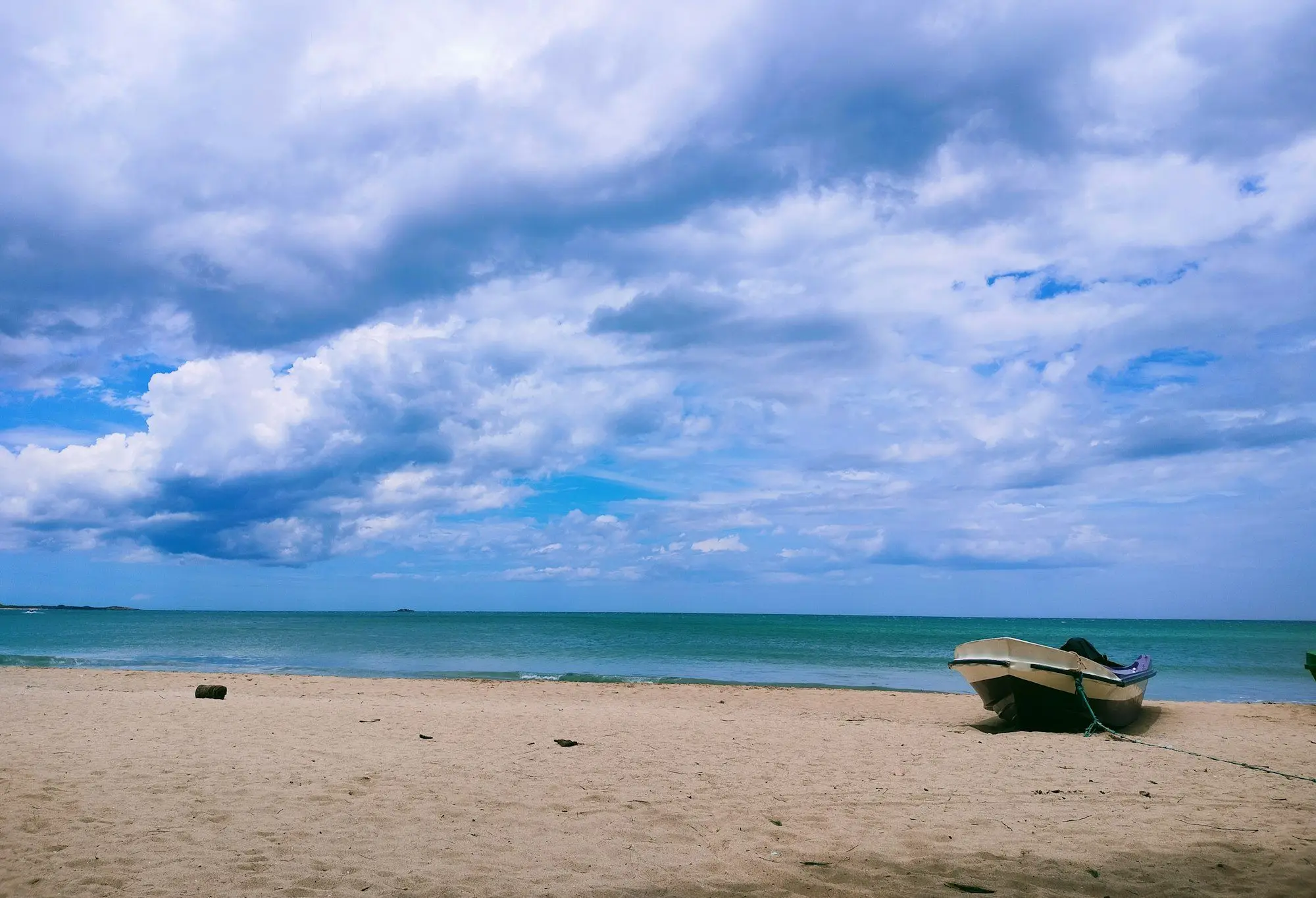
Fishing boats still work the quiet beaches of the east coast.
Getting there
Trinco is the natural east-coast stop after the Cultural Triangle. Typical drive times:
- Sigiriya, Dambulla or Habarana: about 2½ hours
- Anuradhapura: about 2¼ hours
- Kandy: about 4¼ hours
- Colombo Airport: about 5 hours
- Arugam Bay: about 6 hours down the coast
Trains run from Colombo Fort, including the overnight Night Mail, which takes around eight hours. Check current times on the Sri Lanka Railways website before you travel. For the Cultural Triangle end of your trip, see our Sigiriya and Dambulla guide.
Safari from Trincomalee: realistic options
There's good wildlife within reach of Trinco, but the parks we run are some way off. Here are your real choices.
Minneriya and Kaudulla: closest, but not ours
Wilpattu makes more sense if you'd like a real chance of a leopard and a quiet park with few jeeps, or if you're heading west towards Negombo and the airport anyway.
Wilpattu: on your way west
Wilpattu is about 3¼ hours from Trinco. A morning drive would mean leaving before 3 am, which we don't recommend, so there are two good ways to do it.
1. An afternoon safari on a travel day. Leave mid-morning, stop for lunch on the way, and drive the park from about 2 pm until 6 pm. Then spend the night in Anuradhapura, about an hour from the gate, arriving soon after 7 pm.
You can also finish the same day in Negombo, ready for a flight home the next day, but you won't arrive until after 10 pm. It's long, but it works if you'd rather not spend another night on the road.
2. Split it over two days. Transfer to Anuradhapura, spend the afternoon in the Sacred City, then take the morning drive in Wilpattu the next day, the best time for wildlife. From there you can be in Negombo by mid-afternoon. Our Anuradhapura guide has the details.
A Wilpattu round trip from Trinco in a single day is possible, but you'd be back after 10 pm, so we don't suggest it. In the park itself, a leopard is possible, deer and birds are very likely, and the still, sand-rimmed lakes (villus) are beautiful at any hour. See the Wilpattu page for prices and sessions.
Yala and Udawalawe are seven and a half hours or more from Trinco, so they're not day trips from here. If they're on your list, fit them in when you reach Ella or the south coast, where they slot neatly into a travel day.
Best time to visit the east coast
- April to September: the main season, with dry weather and calm seas, and May to August the hottest months (highs around 35°C). Prime time for beaches, Pigeon Island and whales.
- October: a changeover month, with rain building and the sea getting livelier.
- November to January: the wettest months, with heavy north-east monsoon rain, rough seas, Pigeon Island closed and some places shut.
- February and March: drying out and warming up. March can be lovely, and whale season gets going.
Wilpattu's best months (February to October) overlap neatly with Trinco's season, so a beach-and-leopard trip works well anywhere from April to September.
Good to know
Is Trincomalee worth visiting?
Yes, from about April to September, when the east coast is calm and dry. You get quiet beaches, Pigeon Island snorkelling, whales offshore and a fascinating old town. From November to January it's the rainy season and the sea turns rough.
Can I do a Wilpattu safari from Trincomalee?
Yes, but a morning drive as a day trip isn't realistic: Wilpattu is about 3¼ hours away, so you'd leave before 3 am. Do an afternoon drive on your way west, or sleep in Anuradhapura and go in the morning.
What's the closest safari park to Trincomalee?
Kaudulla and Minneriya, about 1½–2 hours away and famous for big elephant herds. We don't run safaris there (yet), but hotels in Trinco can arrange a jeep easily.
When is whale watching in Trincomalee?
Roughly March to September, with blue whales most reliable from about April to August. Choose an operator that keeps its distance and never chases the whales.
Uppuveli or Nilaveli: which is better?
Uppuveli is closer to town (about 6 km) with more cafés and a sociable feel. Nilaveli, about 15 km north, is quieter, with longer beaches and the boats to Pigeon Island.
Is Pigeon Island open all year?
No. It usually opens from around April or May to September and closes when the north-east monsoon makes the crossing rough. Go early in the day to beat the crowds.

Turn the drive into a safari day
We pick you up where you're staying, stop at the park and take you on to your next stop. Private car, private jeep, park tickets: one all-in estimate, sent on WhatsApp. No deposit, pay on the day.
Trincomalee toKeep planning
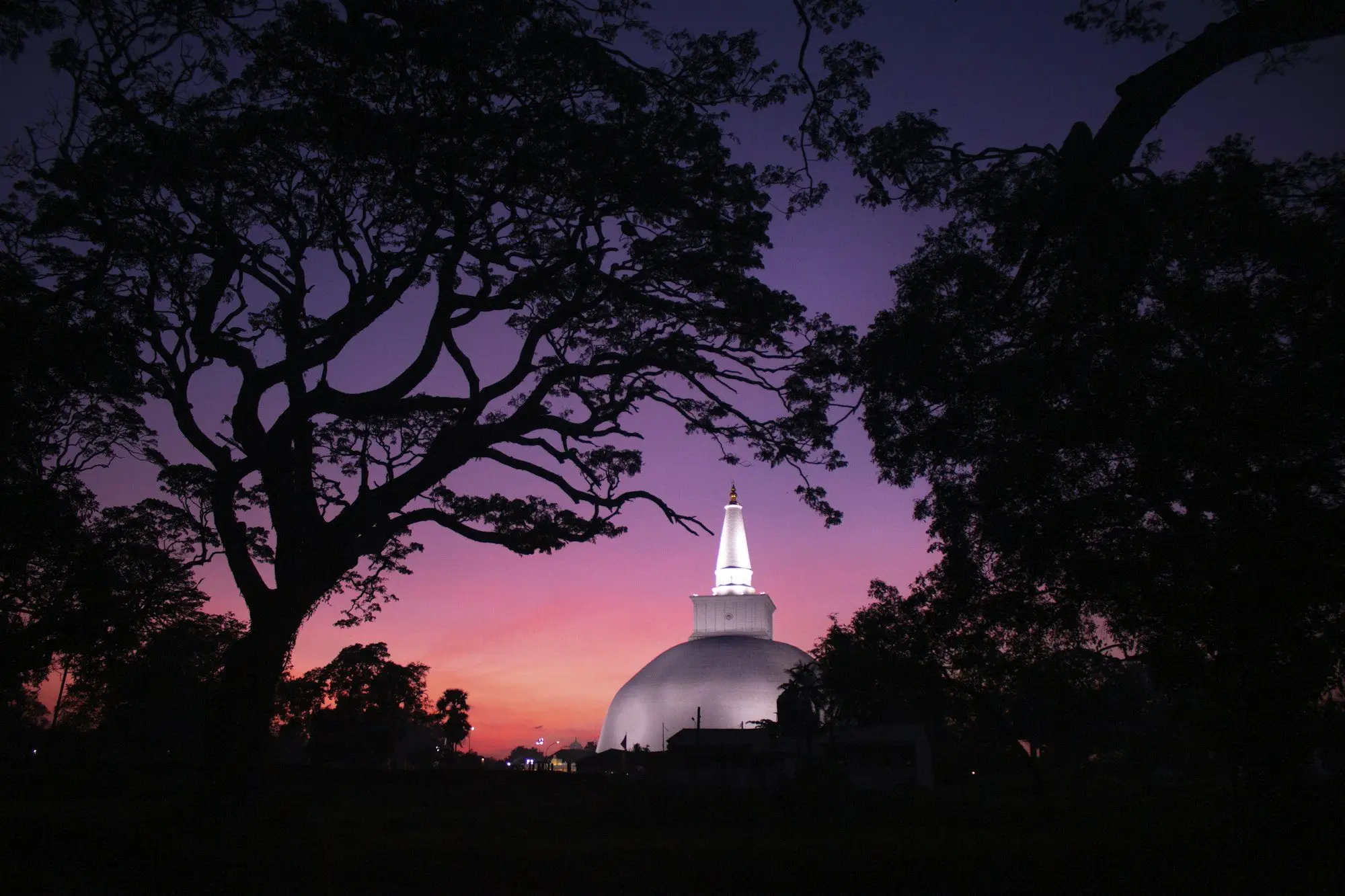

Anuradhapura Travel Guide: Ancient City & Wilpattu Safari
Cycle between Anuradhapura's giant stupas and the sacred Bodhi tree, then take the hour's drive to Wilpattu, Sri Lanka's biggest national park.
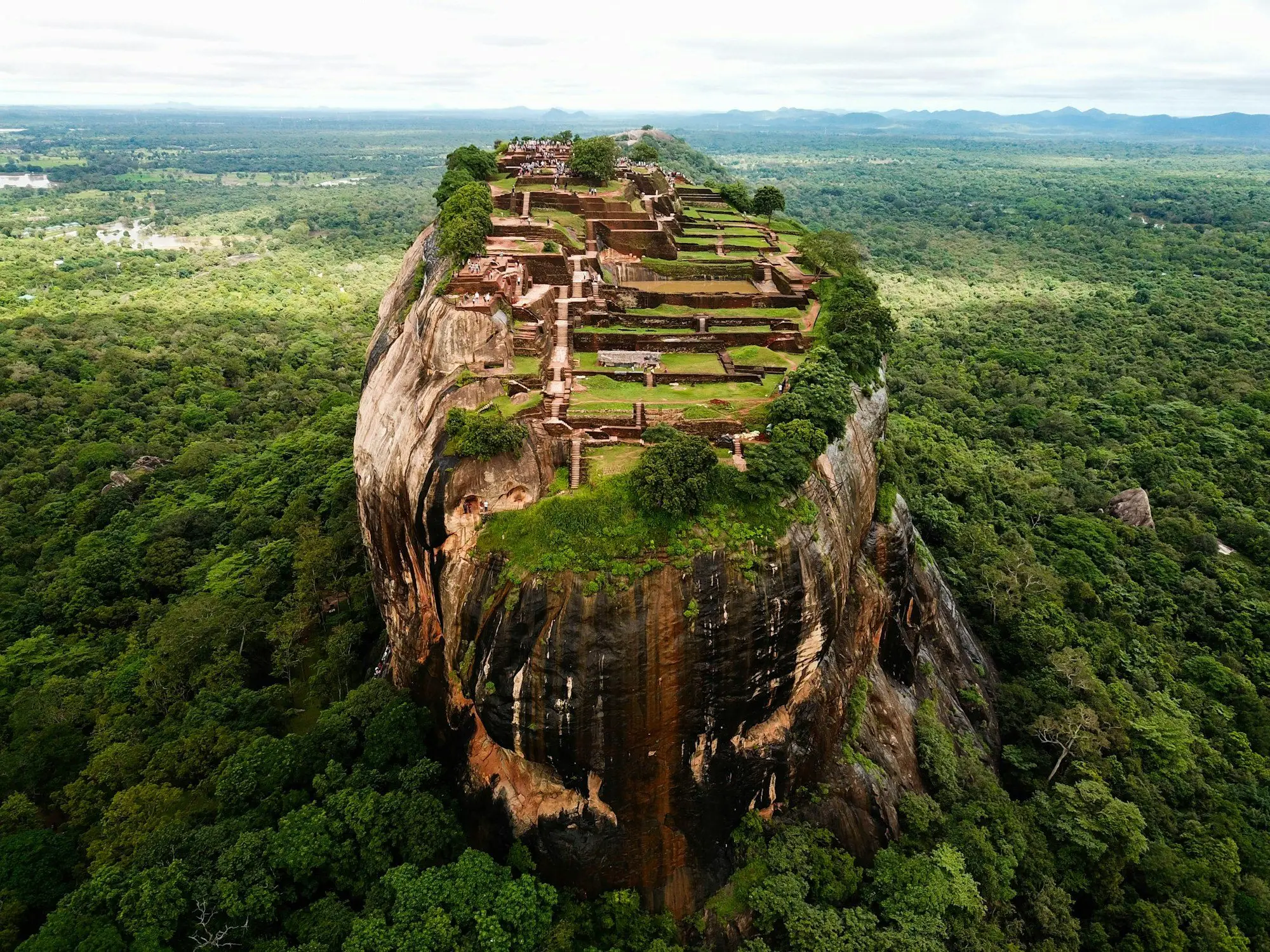

Sigiriya & Dambulla Guide: Rocks, Caves & Wilpattu Trips
Climb Sigiriya or Pidurangala at sunrise, see the Dambulla cave temples, and add a Wilpattu leopard safari on your way to the coast.
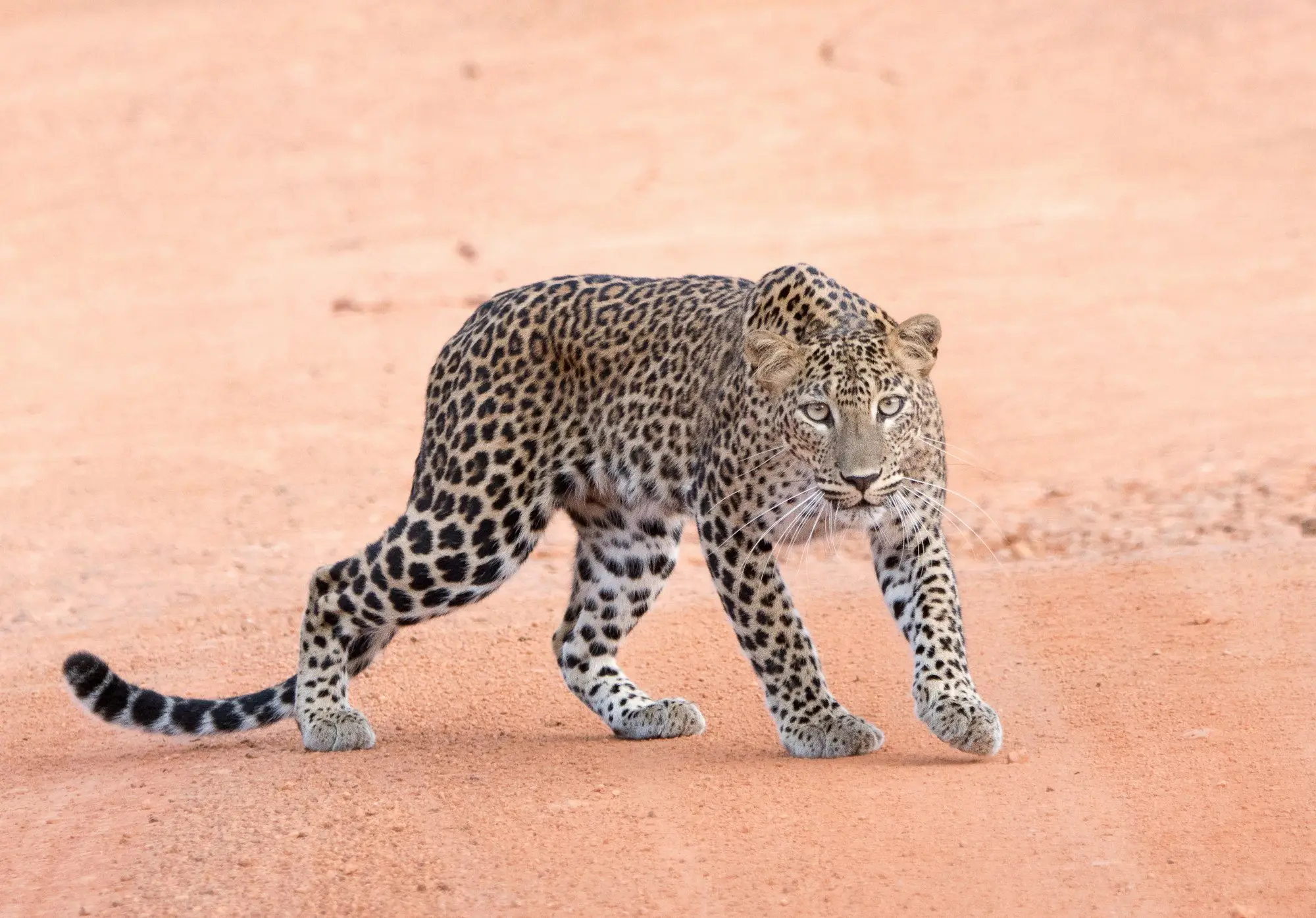

Wilpattu National Park Guide: Leopards, Lakes & Logistics
Sri Lanka's biggest, quietest park: how Wilpattu's lakes work, leopard and sloth bear odds, gates, fees, best months and trips from Negombo or Sigiriya.